About health
health is your gateway to insights, trends, and updates — explained simply and beautifully.
health Blogs
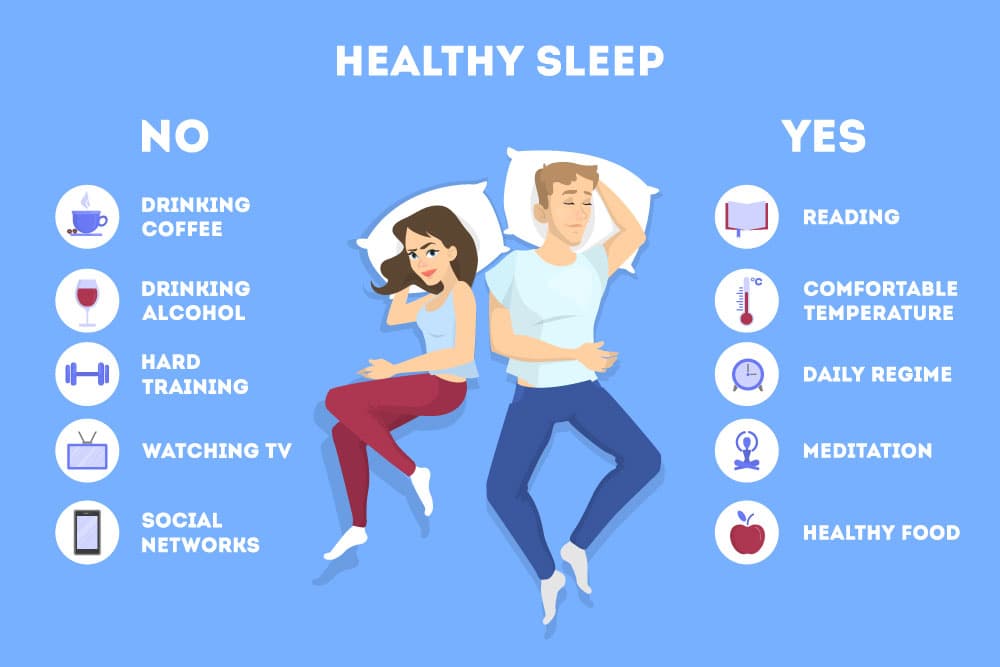
How to Sleep Better at Night
Getting enough excellent sleep is one of the most important parts of a healthy lifestyle. How to Sleep Better at Night. But in today's busy world, many people have problems falling asleep or staying asleep all night. Not getting enough sleep can affect your mood, focus, energy levels, and even your health in the long run. How to Sleep Better at Night. You can naturally get a better night's sleep by studying what makes you restless at night and the best strategies to sleep better. Why Sleep Is Important Sleep is more than just your body shutting down. It is the time when your body cures itself, your hormones get back in balance, and your mind gets a break. If you don't get enough sleep, you can feel worn out, anxious, or unable to concentrate during the day. How to Sleep Better at Night. Recognizing the importance of sleep is the first step toward improving your sleep quality. Science of Sleep Your sleep has three stages: light sleep, deep sleep, and REM sleep. Every step is important for your mind and body to heal. You can learn how to achieve a better quality of sleep. By learning how to sleep better at night, you are actually helping your body perform these natural processes more efficiently. Common Reasons for Not Getting Enough Sleep Before trying to get more sleep, it's useful to know what might be keeping you awake at night. Settings that make you uncomfortable You may not realize how the arrangement of your bedroom can impact your sleep quality. How to Sleep Better at Night. If there is too much light, noise, or an uncomfortable mattress, it can be difficult to fall asleep. How to Get Better Sleep at Night Naturally Let's explore some proven methods to enhance your sleep quality, ensuring you wake up feeling rejuvenated. Set up a regular bedtime Going to bed and waking up at the same time every day can help your internal clock learn how to work. How to Sleep Better at Night. Your body likes to have a schedule. If you sleep and wake up regularly, it will be easier to go to sleep every night. Tips Try to stick to your nightly schedule even on the weekends. This keeps your sleep cycle in balance. Set up a calm schedule for the night Your body needs time to calm before you go to sleep. Make a calming pattern that instructs your mind to calm down. Activities That Help You Relax Take a warm shower. Read through a book. Put on some calming music. Gently stretch. Don't use your phone or computer for an hour or more. How to Sleep Better at Night. The blue light from screens makes melatonin, the hormone that helps you sleep, come out later. Improve the place where you sleep Your bedroom should be a place where you can relax and sleep. A calm, dark, and cozy place can make a big difference. How to Improve Your Bedroom Keep the area cool. Make use of blackout curtains. Pick a cushion that is both soft and supportive. Take away all the electronics. If your body just associates with How to Sleep Better at Night, it will be easier for you to fall asleep faster. Be careful with what you eat and drink Your dietary habits may impact the quality of your sleep. Don't drink alcohol or coffee late in the day. Caffeine can disrupt your sleep and remain in your system for several hours. How to Sleep Better at Night. At first, alcohol may make you sleepy, but later on it makes your sleep worse. Choose Light Suppers Steer clear of heavy or spicy meals right before bed. Choose a light snack like yogurt, fruit, or a handful of almonds if you're feeling peckish. Increase Sunlight During the day. Being outside in the sun during the day helps your body's internal clock stay on time. By making more melatonin later in the evening, it helps you fall asleep faster. How to Sleep Better at Night Give this technique a try Every day, spend at least 20 to 30 minutes outside. How to Sleep Better at Night. Sitting in the sun or taking a morning stroll can naturally enhance the quality of your sleep. Continue Your Physical Activity One of the best strategies for achieving better sleep at night is to exercise regularly. It makes you feel more exhausted in a beneficial way, lowers tension, and elevates your mood. When to Work Out Try working out at least three hours before bed or early in the day. Exercising late at night might give you energy and keep you from falling asleep. Reduce your stress and organize your thoughts. Managing stress has a big impact on sleep quality. How to Sleep Better at Night. Your body follows your mind's relaxation. Methods of Relaxation Inhaling deeply meditating Yoga Writing in a journal before bed Putting your ideas on paper can help you decompress and get ready for sleep. Don't Take Too Many Daytime Naps While short naps are acceptable, it's important to learn how to sleep better at night. prolonged naps might disrupt sleep at night. Avoid taking naps in the late afternoon, and limit your naps to no more than thirty minutes. Maintain a quiet and dark bedroom. Light and noise can disrupt sleep hormones. Make an effort to reduce both. Practical Tools Use a white noise machine, eye masks, or earplugs to block out unpleasant light and noise. Before going to bed, several aromas and herbal teas might help you relax. Natural Sleep Aids Teas with lavender, chamomile, and peppermint encourage rest. Using eucalyptus or lavender oil in aromatherapy can also naturally improve your quality of sleep. When to Get Expert Assistance It might be time to see a doctor if you have tried all of these suggestions and are still having trouble sleeping. Chronic sleep issues may be a sign of sleep apnea, anxiety, or insomnia. A specialist can suggest individualized care. Technology's Contribution to Better Sleep Even if excessive screen time disrupts sleep, some technology can actually monitor and enhance it. Devices and Apps for Sleep Numerous sleep tracking applications examine your sleep patterns and make recommendations for enhancements. Smartwatches and other devices that track sleep patterns can help you make better lifestyle choices. Advice Make use of these awareness-raising methods, but refrain from using screens right before bed. The Relationship Between Sleep and Diet Sleep quality is influenced by your food. Foods high in tryptophan, calcium, and magnesium help people sleep better. Top Foods to Help You Sleep The banana Almonds The oatmeal Milk. Turkey These meals help you unwind before bed by naturally raising your levels of serotonin and melatonin. The Advantages of Improved Nighttime Sleep Your life will change significantly if you begin to get adequate sleep. Increased Energy and Focus You'll feel more creative, aware, and prepared to tackle everyday obstacles. Improved Mood and Skin Sleep allows your skin to heal itself, and restful sleep balances hormones, which elevates mood. A more robust immune system Getting enough sleep strengthens your body's defenses against illnesses. FAQs: Common Questions About Improving Nighttime Sleep What time of day is ideal for sleeping? Your body naturally creates melatonin between 10 and 11 p.m., which is the ideal time to go to sleep. How many hours of sleep are necessary for adults? For optimal performance, the majority of adults require 7 to 9 hours of good sleep every night. Does consuming water before bed have an impact on sleep? Try to consume more fluids earlier in the day because drinking too much water right before bed may result in frequent trips to the bathroom. Does using a phone before bed affect sleep? Yes, the blue light from screens can delay melatonin release and make it harder to fall asleep. How can I relax my mind before sleeping? Practice deep breathing or meditation, or listen to soft music to calm your mind before bed.
Syed Hamza • 11/13/2025
health • 11/9/2025
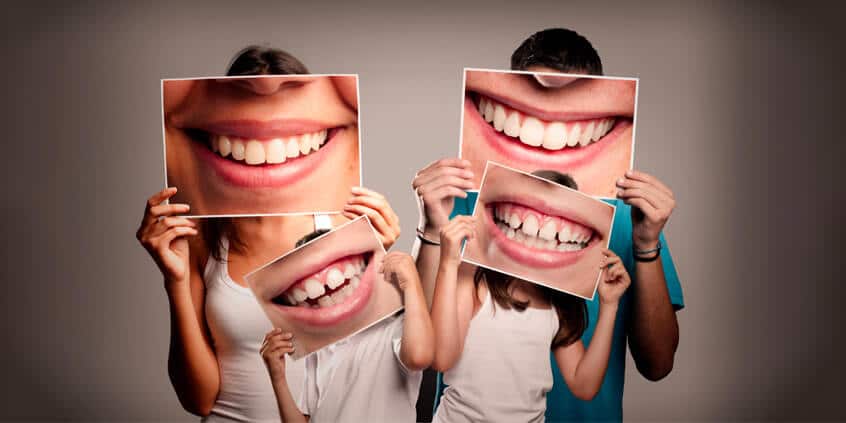
Dentist Care About Your Diet More Than You Think Here’s Why It Matters
When you think of visiting the dentist, you probably imagine cleanings, fillings, or whitening treatments. But what if your dentist is also paying close attention to what you eat every day. It might surprise you to learn that your dentist cares about your diet more than you think. That’s because the foods and drinks you consume have a huge impact on your oral health sometimes even more than your brushing habits. Your diet influences everything from the strength of your teeth to the freshness of your breath. The truth is that oral health and nutrition are deeply connected. In this article we will explore why your dentist cares about your diet, what foods help or harm your smile and how small changes in your eating habits can lead to big improvements in your dental health. Why Your Dentist Cares About Your Diet Dentists are not just focused on your teeth, they are concerned about your entire oral system, including your gums, tongue, and jawbone. They know that diet plays a direct role in maintaining healthy teeth and preventing oral diseases. Here are some of the main reasons your dentist cares about your diet Sugar Causes Tooth Decay One of the biggest reasons your dentist cares about your diet is sugar. Bacteria in your mouth feed on sugar and produce acid which erodes tooth enamel. Over time this leads to cavities and decay. Sugary snacks soft drinks and even fruit juices can cause damage if consumed too often. That is why your dentist encourages you to limit sweets and replace them with healthier options like nuts cheese or crunchy vegetables. Acidic Foods Damage Enamel Foods and drinks that are high in acid such as citrus fruits soda and vinegar-based dressings, can wear away the enamel that protects your teeth. Once enamel is lost it cannot grow back. Your dentist cares about your diet because enamel erosion makes your teeth more sensitive and prone to decay. They often recommend rinsing your mouth with water after consuming acidic foods and waiting at least 30 minutes before brushing to avoid further damage. Nutrition Affects Gum Health Healthy gums are the foundation of a strong smile. A diet lacking in vitamins and minerals especially vitamin C and calcium can lead to gum disease or even tooth loss. When your dentist cares about your diet they are looking to ensure you are getting enough nutrients from foods like leafy greens fish dairy products and citrus fruits to keep your gums healthy and strong. Your Diet Influences Bad Breath What you eat doesn’t just affect your teeth it also impacts your breath. Foods like garlic onions and coffee are known to cause strong odors, but a poor diet overall can also lead to persistent bad breath. Dentists understand that poor oral hygiene is not always the only reason for bad breath. They know your diet plays a key role especially if you eat a lot of processed foods or drink less water. Dry Mouth from Poor Hydration A healthy mouth needs saliva to wash away food particles and neutralize acids. When you don’t drink enough water or consume too much caffeine or alcohol your mouth becomes dry. Your dentist cares about your diet because dry mouth increases the risk of tooth decay, gum disease, and bad breath. Staying hydrated and eating water rich foods like cucumbers or melons can help keep your mouth moist and healthy. Calcium and Phosphorus Keep Teeth Strong Your teeth are made of minerals so it makes sense that minerals are crucial for their health. Foods rich in calcium such as milk, cheese, and yogurt, and those high in phosphorus such as eggs and meat help rebuild and protect tooth enamel. Your dentist cares about your diet because these nutrients act as natural reinforcements for your teeth, making them stronger and more resistant to decay. Deficiencies Show in Your Mouth Sometimes your dentist can detect signs of poor nutrition before your doctor can. For example bleeding gums pale tongue or slow healing sores might indicate deficiencies in iron vitamin B12 or folate. This is one reason your dentist cares about your diet so much. They can often spot early signs of nutritional problems just by looking inside your mouth. Processed Foods Harm Oral Health Processed and fast foods are often high in sugars starches and preservatives that can stick to your teeth and feed harmful bacteria. Over time this contributes to plaque buildup gum inflammation and tooth decay. Your dentist cares about your diet because they know that fresh whole foods like fruits vegetables lean proteins and whole grains promote better oral health. The Connection Between Oral and Overall Health When your dentist talks about diet, they are not just trying to protect your teeth; they are also thinking about your overall health. Many studies have shown that oral health is closely connected to general health. Conditions like diabetes heart disease and inflammation are often linked to poor oral hygiene and poor nutrition. When your dentist cares about your diet they are helping you reduce the risk of these health issues by encouraging habits that support both your mouth and your body. Foods Your Dentist Wants You to Eat More To maintain a healthy smile your dentist recommends including the following foods in your daily diet Dairy Products Milk cheese and yogurt are rich in calcium and protein which strengthen enamel and protect against decay. Crunchy Fruits and Vegetables Apples, carrots, and celery naturally clean teeth while stimulating saliva production which helps wash away harmful acids. Leafy Greens Spinach and kale are packed with vitamins and minerals that support strong teeth and healthy gums. Nuts and Seeds These provide essential fats and minerals that protect enamel and fight inflammation in your gums. Water It keeps your mouth hydrated, removes leftover food particles and helps maintain a healthy pH balance in your mouth. Foods Your Dentist Wants You to Limit While no food is completely off limits, moderation is key. Your dentist cares about your diet because too much of certain foods can cause harm over time. Sugary Snacks Candy cookies and sweetened drinks fuel bacteria that cause cavities. Sticky Foods Dried fruits and caramel can cling to teeth and lead to decay. Acidic Drinks Soda and energy drinks erode enamel and dry out your mouth. Alcohol Excessive alcohol reduces saliva production and irritates gum tissue. How to Create a Dentist-Approved Diet Creating a diet that supports your teeth doesn’t mean giving up your favorite foods. It means making smarter choices and maintaining balance. Here’s how you can do it Eat a variety of nutrient rich foods Drink water instead of sugary drinks Limit snacking between meals Rinse your mouth after eating acidic foods Avoid smoking or chewing tobacco Visit your dentist regularly for checkups and advice When your dentist cares about your diet they are not judging what you eat they are helping you protect your smile and your long term health. How Dentists Use Diet in Treatment You might be surprised to know that diet counseling is part of many dental treatment plans. If you have frequent cavities sensitive teeth or gum issues your dentist might ask about your daily meals and drinks. By understanding your eating habits, they can recommend changes that prevent future problems. This proactive approach is one of the main reasons your dentist cares about your diet and why diet plays such a vital role in dental care. The Role of Vitamin D in Oral Health Vitamin D helps your body absorb calcium effectively and strengthens your bones and teeth. Lack of vitamin D can lead to weaker enamel and gum inflammation. Your dentist cares about your diet because sunlight exposure and vitamin D rich foods like salmon eggs and fortified milk help maintain strong teeth and prevent decay. Conclusion Your dentist’s concern about your eating habits goes far beyond sugar warnings. The truth is your diet shapes the foundation of your oral health. Every bite you take affects your teeth gums and even the freshness of your breath. Understanding why your dentist cares about your diet allows you to make better choices that protect your smile for life. By eating nutrient-rich foods, staying hydrated and limiting sugary or acidic items you give your mouth the care it truly deserves. Remember, a healthy diet means a healthy mouth and a confident smile. So the next time your dentist talks about food choices know they are not just caring for your teeth but for your whole well being. FAQs 1. Why does my dentist ask about my dietBecause your diet directly affects your oral health from cavities to gum disease your dentist wants to understand your eating habits to help you protect your teeth. 2. What foods are best for my teethFoods high in calcium, vitamin C, and fiber such as dairy, leafy greens, and crunchy fruits, support strong teeth and gums. 3. Can diet really prevent cavitiesYes eating fewer sugary and acidic foods can reduce cavity risk significantly. 4. How does water help oral healthWater rinses away food particles, maintains hydration, and prevents dry mouth, which helps keep bacteria under control. 5. Should I take supplements for better oral healthIt is best to get vitamins and minerals from a balanced diet, but your dentist may recommend supplements if you are lacking certain nutrients.
Read More →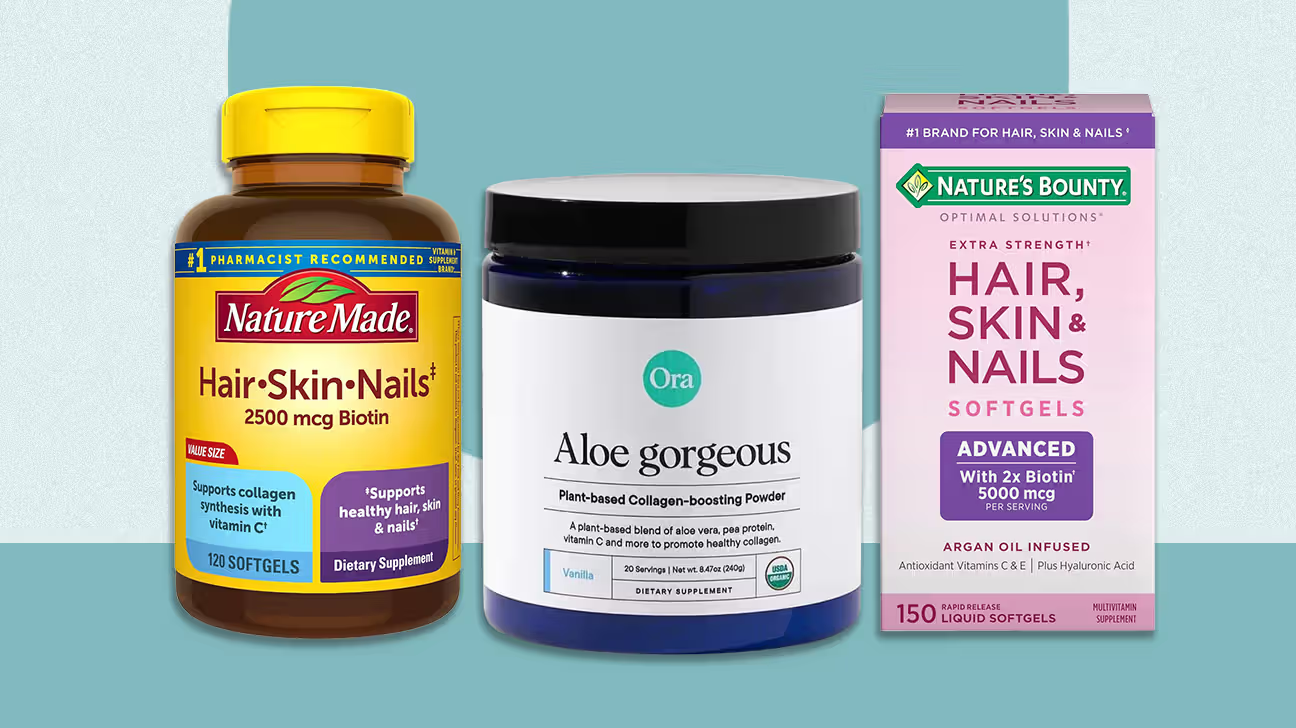
health • 11/7/2025
Best Vitamins for Skin and Hair
Having healthy skin and hair is not just about beauty. It is a reflection of your inner health. The food you eat and the nutrients you consume play a direct role in how your skin glows and your hair grows. In this guide, we will explore the best vitamins for skin and hair, their benefits, food sources, and how they help you maintain natural beauty from within. Why Vitamins Matter for Skin and Hair Your Best Vitamins for Skin and Hair need consistent nourishment to stay strong and radiant. Environmental factors such as pollution, sun exposure, and poor diet can damage cells and slow growth. This is where vitamins play a powerful role. Understanding the best vitamins for skin and hair helps you choose the right foods and supplements to restore balance and protect against damage. The Science Behind Vitamins and Beauty Vitamins act as antioxidants, protect collagen, improve hydration, and stimulate new cell growth. Without them, your skin becomes dull, dry, or prone to wrinkles, and your Best Vitamins for Skin and Hair may lose its shine and strength. Each vitamin contributes differently, making a balanced intake essential. Example of Vitamin Function For example, vitamin C boosts collagen production for youthful skin, while vitamin E shields your cells from damage caused by free radicals. Vitamin A for Smooth Skin and Healthy Hair Vitamin A is one of the best vitamins for skin and hair because it promotes cell renewal. It keeps the skin soft, prevents dryness, and supports scalp health. Benefits of Vitamin A Vitamin A helps repair skin tissues and keeps the skin surface hydrated. It regulates sebum production, preventing clogged pores that cause acne. For hair, it encourages the production of natural oils, keeping the scalp moisturized. Food Sources of Vitamin A Carrots, spinach, sweet potatoes, and eggs are excellent sources of vitamin A. Eating these foods regularly helps maintain glowing skin and shiny hair. Tip for Vitamin A Intake Include a mix of cooked and raw vegetables to ensure your body absorbs both fat-soluble and water-soluble nutrients efficiently. Vitamin B Complex for Growth and Strength The B vitamin group, including B2, B3, B5, B6, B7, B9, and B12, are crucial for maintaining healthy skin and hair. Together, they enhance blood circulation, boost oxygen flow to cells, and prevent breakouts or thinning hair. Biotin (Vitamin B7) Biotin is one of the best vitamins for skin and hair growth. It supports keratin production, which is the main protein responsible for strong hair and smooth skin. Niacin (Vitamin B3) Niacin improves blood flow, giving your skin a natural glow. It also helps prevent dryness and flakiness by maintaining the skin’s natural barrier. Vitamin B12 Vitamin B12 supports red blood cell formation and prevents hair loss caused by nutritional deficiencies. It also helps the skin look more even-toned and bright. Food Sources of B Vitamins Whole grains, eggs, nuts, dairy products, and leafy greens are excellent sources of B vitamins. Vitamin C for Collagen and Brightness Vitamin C is one of the Best Vitamins for Skin and Hair because it supports collagen production. Collagen keeps the skin firm, smooth, and youthful. Benefits of Vitamin C This vitamin fights free radicals that cause aging, reduces pigmentation, and improves wound healing. For hair, vitamin C helps in iron absorption, which supports hair growth and prevents dryness. Food Sources of Vitamin C Citrus fruits like oranges, strawberries, and kiwis are rich in vitamin C. Bell peppers and broccoli are also great choices. Skin Care Tip Drinking a glass of fresh orange juice daily can boost your vitamin C intake and naturally enhance your complexion. Vitamin D for Hair Follicle and Skin Health Vitamin D, known as the sunshine vitamin, plays a key role in maintaining healthy Best Vitamins for Skin and Hair. It supports the growth of new hair follicles and helps manage conditions like dry skin and eczema. Benefits of Vitamin D Low vitamin D levels are linked with hair loss and slower hair growth. It also supports skin cell growth and repair, improving the skin’s ability to retain moisture. Food Sources of Vitamin D Fish such as salmon and tuna, along with fortified dairy products and exposure to sunlight, are great ways to get enough vitamin D. How to Get Vitamin D Naturally Spend at least 15 minutes in sunlight daily. Natural sunlight triggers your body to produce vitamin D effectively. Vitamin E for Protection and Shine Vitamin E is a powerful antioxidant that protects your skin and hair from oxidative stress. It locks in moisture, giving your skin a soft, hydrated appearance. Benefits of Vitamin E For skin, it prevents early signs of aging and reduces scars. For hair, vitamin E improves circulation in the scalp, leading to stronger and shinier strands. Food Sources of Vitamin E Almonds, sunflower seeds, avocados, and olive oil are rich in vitamin E. Consuming these foods or applying vitamin E oil can boost your results. Usage Tip Apply a few drops of vitamin E oil mixed with coconut oil to your scalp once a week for improved hair health. Vitamin K for Clear and Healthy Skin Vitamin K is often overlooked but is one of the Best Vitamins for Skin and Hair. It helps reduce dark circles, bruises, and inflammation. Benefits of Vitamin K This vitamin aids in blood clotting and skin healing. It strengthens hair roots and supports overall scalp health. Food Sources of Vitamin K Leafy vegetables like kale, broccoli, and spinach provide excellent amounts of vitamin K. Skin Care Tip Apply vitamin K creams to under-eye areas to reduce dark circles naturally. Combining Vitamins for Maximum Results The best vitamins for skin and hair work even better when consumed together. A balanced diet ensures all these nutrients complement each other. Hydration and Minerals Drinking water and including minerals like zinc, iron, and selenium boost the effects of vitamins. They help your body absorb nutrients effectively. Avoid Overuse of Supplements While vitamins are essential, too much of any supplement can cause side effects. It is always best to consult a healthcare provider before taking additional doses. Example of a Balanced Diet A meal plan including fruits, nuts, vegetables, and lean proteins will naturally provide all the vitamins your Best Vitamins for Skin and Hair need to stay healthy. Lifestyle Tips to Support Vitamin Absorption Maintaining a healthy lifestyle enhances the effectiveness of vitamins. Regular Exercise Exercise improves circulation, delivering nutrients to skin and hair follicles faster. Quality Sleep Sleep is when your body repairs and regenerates cells. Ensure seven to eight hours of rest each night. Reduce Stress High stress levels deplete vitamin levels in your body. Practice relaxation techniques such as meditation or yoga. FAQs About the Best Vitamins for Skin and Hair Which vitamin is best for glowing skin Vitamin C is the best for glowing skin as it promotes collagen production and reduces dullness. What vitamins stop hair loss Biotin, vitamin D, and vitamin E are effective in preventing hair loss and promoting new growth. Can vitamins improve acne-prone skin Yes, vitamins A, C, and B3 help reduce acne by regulating oil production and repairing damaged skin. How long does it take to see results from vitamins You may start noticing visible improvements in your Best Vitamins for Skin and Hair within four to six weeks of consistent intake. Is it better to get vitamins from food or supplements Natural food sources are the best, but supplements can help fill any nutritional gaps when needed.
Read More →
health • 11/7/2025
Importance of Health and Fitness
Health and fitness are the foundation of a happy, balanced, and productive life. They influence how we feel, move, and think every day. Understanding the importance of health and fitness helps people make better lifestyle choices, prevent diseases, and live longer with more energy and confidence. What Is Health and Fitness Health is the state of complete physical, mental, and emotional well-being. Fitness refers to the ability to perform daily tasks with strength and energy. Together, they form the basis of a fulfilling life. The importance of health and fitness lies in how well your body and mind work together to maintain balance and vitality. The Connection Between Health and Fitness A healthy body supports fitness, while regular fitness activities maintain health. Eating nutritious foods, staying active, and managing stress all contribute to long-term wellness. When your body functions properly, your mind becomes sharper, your mood improves, and your confidence grows. Example of Balanced Health and Fitness Someone who eats well, exercises regularly, and sleeps adequately experiences fewer illnesses, stays energetic, and handles stress more effectively. This demonstrates the practical importance of health and fitness in everyday life. Physical Benefits of Staying Healthy and Fit The physical rewards of maintaining your health and fitness are visible and long-lasting. These benefits make your daily life easier and more enjoyable. Improved Heart Health Regular exercise strengthens your heart and improves circulation. Activities such as brisk walking, swimming, or cycling help reduce blood pressure and cholesterol levels. Maintaining a strong cardiovascular system highlights the importance of health and fitness in preventing chronic diseases. Stronger Muscles and Bones Fitness training builds muscle strength and bone density, which helps prevent injuries and age-related weakness. Resistance training, yoga, and proper nutrition all play a role in supporting a resilient body. Healthy Weight Management Staying active and following a balanced diet prevent obesity and metabolic diseases. Weight control is one of the most visible outcomes of understanding the importance of health and fitness in daily life. Boosted Immune System Exercise increases blood flow, reduces inflammation, and helps the immune system fight infections more effectively. Proper nutrition also ensures your body has the vitamins and minerals it needs to stay strong. Mental and Emotional Benefits of Health and Fitness The importance of health and fitness extends beyond physical appearance. Mental well-being improves when you live an active and healthy lifestyle. Reduced Stress and Anxiety Physical activity releases endorphins, the body’s natural mood enhancers. Whether you prefer yoga, jogging, or dancing, regular movement helps release tension and promote relaxation. Better Sleep Quality Active people sleep more soundly and wake up refreshed. Exercise helps regulate sleep cycles, reducing insomnia and fatigue. Improved Concentration and Productivity Exercise increases oxygen flow to the brain, improving focus, creativity, and problem-solving skills. This proves that the importance of health and fitness also affects work performance and learning ability. Higher Self-Confidence Maintaining a fit body and healthy habits builds self-esteem. Seeing progress over time encourages positive self-image and motivation. Nutrition and Its Role in Health and Fitness Good nutrition is the cornerstone of lasting health and fitness. Without proper nourishment, even the best workout routines will not deliver results. A Balanced Diet for Energy Eating foods rich in protein, fiber, healthy fats, vitamins, and minerals fuels your body efficiently. Whole grains, fruits, vegetables, and lean meats supply long-lasting energy for workouts and daily tasks. Hydration for Vitality Water supports digestion, circulation, and temperature control. Staying hydrated throughout the day prevents fatigue and improves physical performance. Avoiding Processed Foods Limiting processed foods, sugary drinks, and trans fats helps maintain stable blood sugar and reduces disease risks. The importance of health and fitness begins with mindful eating habits. Example of a Healthy Meal A balanced meal could include grilled chicken, steamed vegetables, and brown rice, providing the ideal mix of nutrients for strength and recovery. Tips to Improve Health and Fitness Consistency and self-discipline are key to maintaining your health. Here are actionable tips to improve fitness and overall well-being. Set Clear Goals Start with achievable goals, like exercising three times a week or drinking more water. Gradual changes create lasting results. Stay Active Every Day Include walking, stretching, or short home workouts in your routine. Small daily movements keep your metabolism active. Get Enough Rest Sleep restores both mind and body. Aim for seven to eight hours of sleep to maintain good energy and focus. Manage Stress Practice mindfulness or deep breathing to calm your mind. Stress management plays a major role in the importance of health and fitness. Stay Consistent Even when progress feels slow, keep moving forward. Regular effort brings long-term improvement. Preventive Health Care and Its Value Prevention is better than cure. Understanding the importance of health and fitness means taking steps before health problems occur. Regular Checkups Medical screenings detect potential issues early, allowing for faster treatment. Visiting your doctor for annual checkups ensures you stay aware of your health condition. Vaccinations and Supplements Essential vaccines and vitamin supplements help prevent common illnesses and deficiencies. These small steps safeguard your health in the long run. Example of Preventive Care Getting a flu shot, eating nutrient-rich foods, and exercising regularly can significantly reduce the risk of seasonal illness. The Importance of Consistency in Health and Fitness Staying healthy requires long-term commitment. Quick fixes do not create sustainable results. Consistency helps your body adapt and perform better over time. Building Habits for Success Develop small, repeatable routines such as morning stretches or preparing healthy meals in advance. The importance of health and fitness grows as these habits become part of your daily lifestyle. Impact of Health and Fitness on Society When people prioritize wellness, society benefits too. Healthy individuals contribute more positively to communities and workplaces. Productive Workforce Employees who maintain fitness have higher focus, fewer sick days, and stronger teamwork. Stronger Families and Communities Healthy habits influence children and families, promoting long-term well-being for future generations. The Future of Health and Fitness The modern world continues to innovate with new fitness technologies and wellness tools. Technology in Fitness Wearable fitness trackers, mobile health apps, and online workout programs help individuals monitor progress and stay accountable. Holistic Wellness The importance of health and fitness is expanding to include mental health, sleep quality, and work-life balance. Example of Modern Fitness Trends Virtual reality workouts, smart gym equipment, and AI-based diet plans are reshaping how people approach wellness today. External Source: Harvard Health Publishing provides credible resources on wellness and lifestyle improvement. FAQs About the Importance of Health and Fitness What is the importance of health and fitness in daily life It helps you maintain strength, mental clarity, and emotional balance for a productive lifestyle. How can I improve my health and fitness Eat balanced meals, exercise regularly, sleep well, and manage stress consistently. Can I stay fit without going to the gym Yes, home workouts, walking, and outdoor sports are effective ways to stay fit. What role does nutrition play in fitness Nutrition provides the fuel and recovery support needed for your body to perform well. Why is consistency so important for health Consistency builds long-term habits that improve physical and mental wellness permanently.
Read More →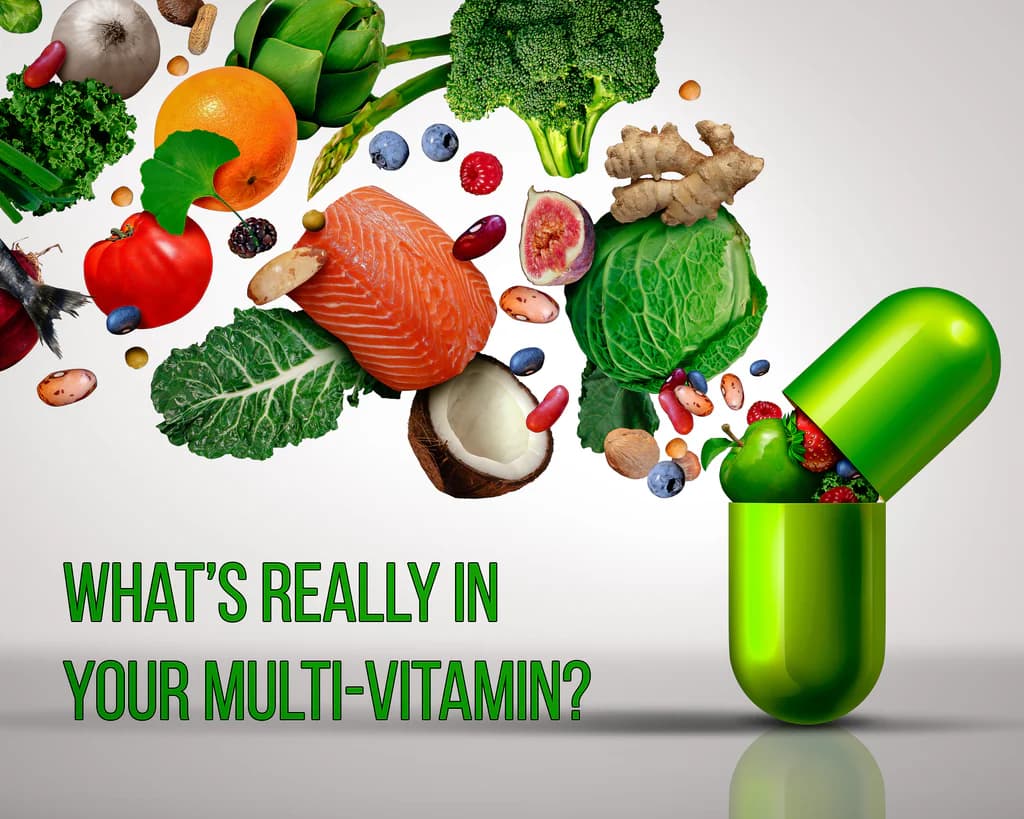
health • 11/7/2025
Best Vitamins for Energy
In today’s busy world, feeling tired or lacking energy has become a common struggle. Whether you are managing a hectic work schedule, taking care of your family, or trying to balance studies and health, fatigue can creep in easily. The good news is that certain vitamins can help increase your energy levels naturally. In this guide, we will explore the best vitamins for energy, how they work, and how you can include them in your daily routine to stay active and focused throughout the day. Why Energy Levels Drop Before diving into the best vitamins for energy, it’s important to understand why your body may feel drained. Common reasons include lack of sleep, poor diet, dehydration, stress, or lack of exercise. Nutrient deficiencies, especially of key vitamins, can also lead to low energy and fatigue. By adding the right nutrients to your daily routine, you can restore balance and boost your energy naturally. Vitamin B12: The Ultimate Energy Vitamin Vitamin B12 is one of the best vitamins for energy because it helps convert food into fuel. It plays a crucial role in red blood cell formation and supports brain function. A deficiency in B12 can cause tiredness, weakness, and even mood changes. You can find vitamin B12 naturally in animal based foods like meat, fish, eggs, and dairy. For vegetarians or vegans, fortified cereals or B12 supplements are great alternatives. If you often feel sluggish, including this vitamin can help restore your natural energy levels. Vitamin B6: The Stress and Energy Manager Vitamin B6 helps your body produce neurotransmitters that regulate mood and energy. It also assists in metabolizing proteins and carbohydrates for fuel. Among the best vitamins for energy, B6 supports adrenal function, helping your body manage stress more effectively. Foods rich in vitamin B6 include bananas, chickpeas, potatoes, and salmon. By maintaining proper levels of this nutrient, you can experience better mental clarity and improved focus. Vitamin C: The Immune and Energy Booster Vitamin C is not just good for your immune system but also for your energy. It helps your body absorb iron, which is essential for oxygen transport. When your cells receive more oxygen, your body feels more energetic. That’s why vitamin C is among the best vitamins for energy. You can get vitamin C from citrus fruits like oranges, lemons, or grapefruits, as well as from strawberries, bell peppers, and broccoli. Regular intake helps fight fatigue and strengthens your immune system. Vitamin D: The Sunshine Vitamin If you often feel tired during the winter months, low vitamin D levels may be the reason. Vitamin D helps maintain healthy bones and muscles, but it also plays a role in energy production and mood regulation. It is one of the best vitamins for energy, especially for people who spend little time outdoors. You can get vitamin D naturally from sunlight exposure and foods such as fatty fish, egg yolks, and fortified milk. Spending even 15 minutes in sunlight daily can make a big difference in how energetic you feel. Iron: The Oxygen Carrier Iron is a mineral, not a vitamin, but it deserves a spot on this list because of its importance for energy. Iron helps produce hemoglobin, which carries oxygen through your blood. Without enough iron, you may feel weak and constantly Best Vitamins for Energy. Foods rich in iron include red meat, spinach, beans, and lentils. Pairing these foods with vitamin C sources can improve iron absorption and make it one of the best nutrients for energy overall. Magnesium: The Muscle Relaxer and Energy Supporter Magnesium supports more than 300 biochemical reactions in your body, including energy production. It helps your muscles and nerves function properly, keeps your heart rhythm steady, and helps reduce fatigue. Among the best vitamins for energy and minerals, magnesium is vital for overall well being. Nuts, seeds, dark chocolate, and green leafy vegetables are excellent sources of magnesium. Many people don’t get enough magnesium, which may explain feelings of tiredness and irritability. CoQ10: The Cellular Energy Producer Coenzyme Q10, also known as CoQ10, is a powerful antioxidant that helps generate energy in your cells. As you age, your body produces less CoQ10, which can contribute to fatigue. Adding it to your diet or taking a supplement can increase stamina and vitality. CoQ10 is found in organ meats, fatty fish, and whole grains. This makes it one of the best vitamins for energy when combined with other nutrients. Vitamin E: Protecting Energy at the Cellular Level Vitamin E helps protect your cells from oxidative stress, allowing them to function efficiently. It supports overall vitality and enhances the effectiveness of other nutrients. It’s often overlooked but remains one of the best vitamins for energy for those seeking long term health and stamina. You can find vitamin E in almonds, sunflower seeds, and spinach. Regular intake supports your body’s ability to maintain energy naturally. Folate: Supporting Cell Growth and Energy Folate, or vitamin B9, is essential for producing new cells and supporting DNA synthesis. It also works closely with vitamin B12 to convert food into energy. A deficiency in folate can lead to fatigue and weakness. Leafy greens, beans, and citrus fruits are excellent sources of folate. This makes it one of the best vitamins for energy and vitality, particularly for women and older adults. Vitamin A: Supporting Metabolism and Strength Vitamin A plays a key role in maintaining your metabolism and ensuring your body uses energy efficiently. It supports vision, cell growth, and immune health. When your body runs efficiently, your Best Vitamins for Energy levels remain stable throughout the day. Sweet potatoes, carrots, and dark leafy greens are great sources of vitamin A. Adding them to your meals can help sustain natural energy production. How to Include These Vitamins in Your Daily Life Eat a balanced diet with colorful fruits and vegetables Choose whole grains and lean proteins Stay hydrated throughout the day Consider a multivitamin if your diet lacks variety Consult your doctor before starting supplements Combining these habits with regular exercise and good sleep can make a remarkable difference in your energy levels. Conclusion Boosting your energy naturally is all about giving your body the right nutrients. The best vitamins for energy such as B12, B6, C, D, and others work together to support your metabolism, reduce fatigue, and improve focus. By including these vitamins in your daily routine through food or supplements, you can experience sustained energy and feel more productive every day. Remember, consistent healthy choices make the biggest impact over time. Start small, eat well, stay active, and let your energy thrive naturally. FAQs About the Best Vitamins for Energy 1. Which vitamin gives the most energy? Vitamin B12 is often considered the most powerful energy vitamin. It helps convert the food you eat into glucose, which fuels your body and keeps you alert throughout the day. 2. How long does it take for vitamins to boost energy? The time varies depending on your diet and health. Most people notice improvements within two to four weeks of consistent vitamin intake, especially if they had deficiencies before starting. 3. Can I get enough energy from food alone without supplements? Yes, a well balanced diet rich in whole grains, lean proteins, fruits, and vegetables can provide most of the essential vitamins your body needs for energy. However, if you have nutrient gaps or dietary restrictions, supplements can help fill those gaps. 4. Are there any side effects of taking vitamins for energy? When taken within recommended limits, vitamins are generally safe. However, taking excessive doses especially of fat soluble vitamins like A, D, E, and K can cause side effects. Always check with a healthcare provider before starting new supplements. 5. Do energy drinks provide the same benefits as vitamins? No, energy drinks usually contain caffeine and sugar for a quick boost but lack the long term health benefits of natural vitamins. Vitamins nourish your body at the cellular level, while energy drinks provide only temporary stimulation.
Read More →
health • 11/5/2025
How to Lower Blood Pressure Naturally
High blood pressure, also known as hypertension, is one of the most common health issues worldwide. It can quietly damage your heart, arteries, and other organs over time, leading to serious conditions such as heart disease or stroke. The good news is that you can lower blood pressure naturally through simple lifestyle changes and daily habits that improve your overall health. This guide explains practical and science-backed ways to lower blood pressure naturally without relying solely on medication. Understanding High Blood Pressure Blood pressure measures how much force your blood puts on the walls of your arteries. A normal reading is usually around 120 over 80 mmHg. When it stays consistently higher than 130 over 80 mmHg, it is considered high blood pressure. Many people have hypertension without realizing it, as it often has no symptoms. Over time, it can lead to heart disease, kidney problems, or stroke if not managed properly. Learning how to lower blood pressure naturally can protect your health and reduce your risk of these complications. Lifestyle Changes to Lower Blood Pressure Naturally 1. Eat a Heart-Healthy Diet Your diet has a major effect on blood pressure. Eating nutritious foods helps lower blood pressure naturally and keeps your heart strong. The DASH diet, which stands for Dietary Approaches to Stop Hypertension, is one of the most effective eating plans. It emphasizes fruits, vegetables, whole grains, lean proteins, and low-fat dairy while limiting salt and processed foods. Include foods rich in potassium such as bananas, avocados, and sweet potatoes because they help balance sodium levels in your body. Reducing salt intake can have a powerful effect on lowering blood pressure. 2. Reduce Sodium Intake Salt is one of the biggest contributors to high blood pressure. Even small reductions can make a big difference. Avoid adding extra salt to meals and read food labels carefully. Many packaged and restaurant foods contain hidden sodium. Aim for no more than 1500 milligrams of sodium per day. Replacing salt with herbs and spices like basil, turmeric, garlic, or lemon juice can make your meals both flavorful and heart-friendly. 3. Stay Physically Active Regular exercise is one of the best ways to lower blood pressure naturally. Physical activity strengthens your heart, allowing it to pump blood with less effort. This reduces the pressure on your arteries. Aim for at least 30 minutes of moderate exercise most days of the week. Activities such as brisk walking, cycling, swimming, or yoga can help maintain healthy blood pressure levels. Even small daily movements, like taking the stairs or gardening, can make a big difference. 4. Maintain a Healthy Weight Being overweight increases your risk of high blood pressure. Even losing a small amount of weight can help lower blood pressure naturally. Focus on steady, sustainable weight loss through balanced eating and consistent exercise. Pay attention to your waistline as excess abdominal fat is closely linked to hypertension. Maintaining a healthy body weight not only supports heart health but also boosts your energy and overall well-being. 5. Manage Stress Levels Chronic stress can raise your blood pressure and harm your cardiovascular health. Finding ways to relax and calm your mind helps lower blood pressure naturally. Try meditation, deep breathing exercises, or spending time in nature. Simple techniques such as listening to music, journaling, or practicing mindfulness can help you feel more at ease. Make sure you get enough rest and take breaks from work or digital devices. Your mental health plays a big role in controlling blood pressure. 6. Limit Alcohol and Avoid Smoking Drinking too much alcohol can raise your blood pressure over time. Limit your intake to one drink per day for women and two for men. Smoking, on the other hand, damages blood vessels and raises blood pressure immediately after each cigarette. Quitting smoking and drinking moderately can significantly lower blood pressure naturally and improve your overall heart health. 7. Get Enough Sleep Poor sleep can contribute to high blood pressure and other health problems. Adults should aim for seven to eight hours of quality sleep each night. Try to maintain a consistent bedtime, avoid caffeine in the evening, and keep your room dark and cool. Restful sleep allows your body to regulate hormones, reduce stress, and restore balance, which all help lower blood pressure naturally. 8. Increase Potassium and Magnesium Intake Potassium helps your body get rid of excess sodium, which helps lower blood pressure. Magnesium supports blood vessel relaxation and proper heart function. You can find both minerals in foods like leafy greens, beans, nuts, and seeds. Eating a variety of nutrient-rich foods is a simple and safe way to support healthy blood pressure without the need for supplements, unless advised by your doctor. 9. Drink More Water Staying hydrated helps your body function properly and keeps your blood vessels flexible. When you are dehydrated, your blood becomes thicker and your heart has to work harder, which can raise blood pressure. Drink enough water throughout the day and limit sugary drinks or sodas. Herbal teas such as hibiscus tea may also help lower blood pressure naturally. 10. Monitor Your Blood Pressure Regularly Keeping track of your blood pressure at home can help you stay aware of any changes. Use a reliable home monitor and record your readings regularly. This habit allows you to notice improvements and catch potential issues early. If your readings remain high despite making lifestyle changes, consult your doctor for personalized advice. Natural Remedies and Herbal Support Certain natural supplements and herbs may help lower blood pressure naturally when used alongside a healthy lifestyle. Garlic extract, fish oil, hibiscus tea, and beetroot juice have all shown positive effects in studies. However, you should always talk to your healthcare provider before starting any new supplement to ensure it is safe for you. For detailed information, you can check Harvard Health’s guide on managing blood pressure. Long-Term Benefits of Lowering Blood Pressure Naturally When you lower blood pressure naturally, you are not only protecting your heart but also improving your quality of life. Benefits include better energy levels, improved mood, sharper focus, and a lower risk of chronic disease. Over time, your arteries stay healthy, your heart works more efficiently, and your overall body feels more balanced. The effort you put into living a healthy lifestyle today will protect you in the years to come. FAQs About Lowering Blood Pressure Naturally What are the best ways to lower blood pressure naturally?The best ways include eating a healthy diet, reducing salt intake, staying active, maintaining a healthy weight, and managing stress. Can drinking water lower blood pressure naturally?Yes, staying well-hydrated helps blood flow more easily and supports healthy blood pressure levels. How long does it take to see results from natural blood pressure control?Most people notice improvements within a few weeks of consistent healthy habits. Is exercise effective for lowering blood pressure naturally?Absolutely. Regular physical activity strengthens your heart and helps it pump blood more efficiently, reducing pressure on your arteries. Can I stop taking medicine if I lower my blood pressure naturally?Do not stop medication without consulting your doctor. Natural methods can complement medical treatment but should not replace it without professional guidance.
Read More →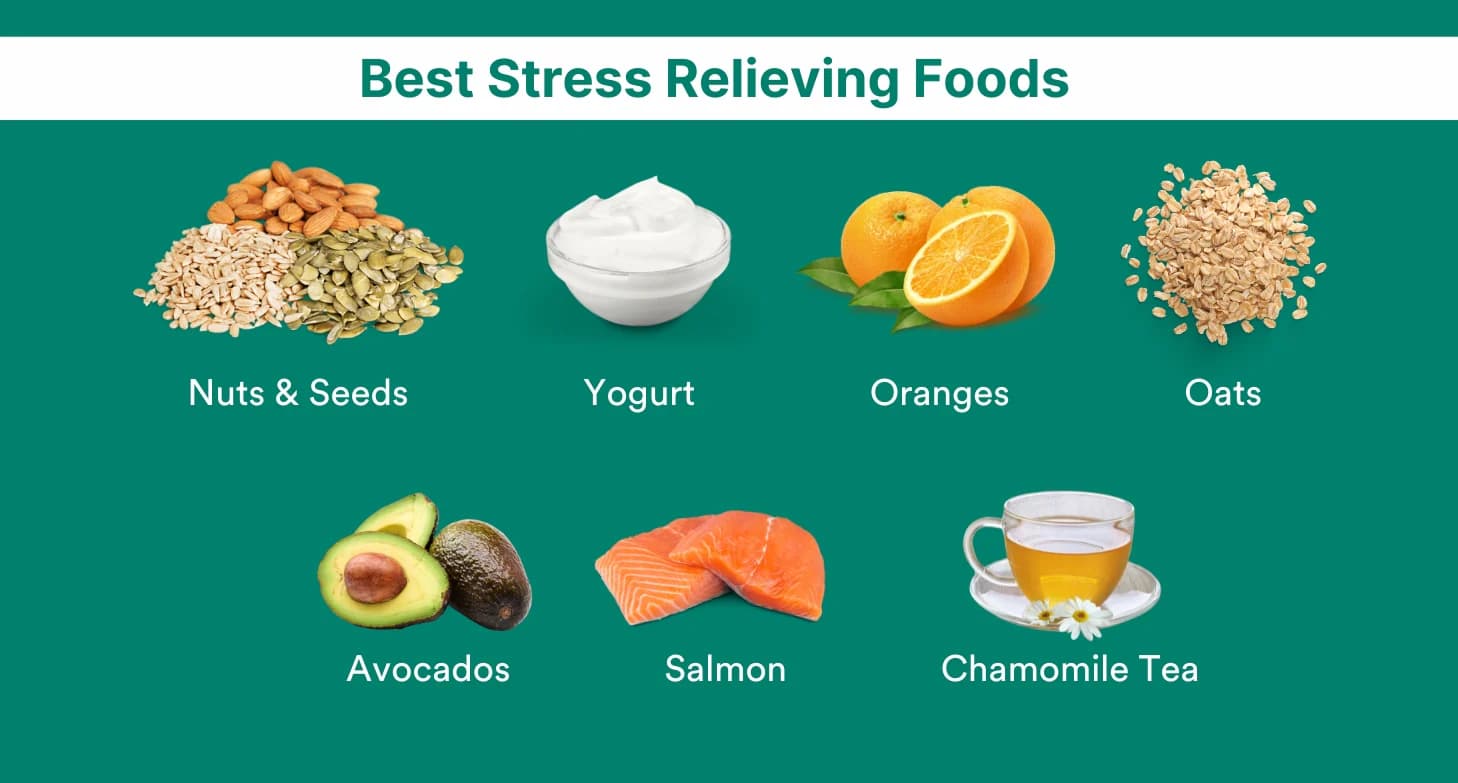
health • 11/5/2025
How to Reduce Stress Naturally
In today’s fast-paced world, managing stress has become an essential part of maintaining both physical and mental health. People are constantly looking for ways to reduce stress naturally without relying on medications or complicated therapies. Natural stress relief techniques are safe, effective, and can easily fit into your daily routine. This article explores how to reduce stress naturally through lifestyle changes, mindfulness, exercise, and healthy habits that promote long-term well-being. Understanding Stress and Its Effects Stress is the body’s natural reaction to challenges or threats. While small amounts of stress can motivate you to perform better, chronic stress can affect your physical and mental health. When stress levels remain high for a long period, the body releases too much cortisol, which can lead to anxiety, fatigue, weight gain, and even heart problems. Learning how to reduce stress naturally can help restore balance and improve your quality of life. The Importance of Managing Stress Naturally Choosing natural methods to manage stress is important because it avoids the side effects that often come with medications. Natural stress reduction techniques such as meditation, breathing exercises, and physical activity can calm the mind, improve focus, and help you live a happier life. Moreover, these techniques often lead to healthier lifestyle habits that provide lasting benefits. Effective Ways to Reduce Stress Naturally 1. Practice Mindfulness and Meditation Mindfulness is one of the most powerful ways to reduce stress naturally. It involves being fully present in the moment without judgment. Meditation, on the other hand, helps calm racing thoughts and encourages deep relaxation. You can start by dedicating just ten minutes a day to mindful breathing or guided meditation. Apps like Headspace or Calm offer simple sessions for beginners. Regular meditation reduces cortisol levels and enhances emotional resilience, helping you stay calm even during stressful situations. 2. Exercise Regularly Physical activity is a proven way to reduce stress naturally. Exercise releases endorphins, the body’s natural mood boosters, which instantly make you feel happier and more relaxed. Whether it’s yoga, running, dancing, or even walking, movement helps relieve tension and improve mental clarity. You don’t need to spend hours at the gym. A 30-minute walk in nature or a short stretching session can have a big impact on stress levels. 3. Maintain a Healthy Diet Your diet plays a huge role in how you handle stress. Eating processed or sugary foods can increase anxiety and mood swings. Instead, focus on whole foods rich in vitamins and minerals that help regulate your mood. Foods high in omega-3 fatty acids like salmon, nuts, and seeds are known to reduce inflammation and support brain health. Drinking plenty of water and limiting caffeine can also help reduce stress naturally by keeping your body hydrated and balanced. 4. Get Enough Sleep Sleep is essential for mental and physical recovery. Lack of sleep can make you more irritable and less able to handle stress. Aim for seven to eight hours of quality sleep each night. To improve your sleep routine, avoid screens before bedtime, keep your room cool and dark, and follow a consistent sleep schedule. When you sleep well, your mind can process emotions better and your body repairs itself, which naturally reduces stress over time. 5. Connect with Nature Spending time outdoors is one of the simplest ways to reduce stress naturally. Nature has a calming effect that helps lower blood pressure and clear the mind. A short walk in the park, gardening, or even sitting by a window with natural sunlight can make a difference. Try practicing “forest bathing,” a Japanese technique known as Shinrin-yoku, which involves immersing yourself in nature to promote relaxation and emotional balance. 6. Deep Breathing Exercises Deep breathing helps calm your nervous system and instantly reduces stress levels. When you take slow, deep breaths, it sends a signal to your brain to relax. The 4-7-8 breathing method is simple yet effective: inhale for 4 seconds, hold for 7 seconds, and exhale for 8 seconds. Practice this technique whenever you feel anxious or overwhelmed. Breathing deeply increases oxygen flow to the brain, which improves concentration and emotional stability. 7. Reduce Screen Time Too much screen time, especially on social media, can increase anxiety and mental fatigue. Set limits on your digital use and take regular breaks from your phone or computer. Instead of scrolling endlessly, engage in offline activities such as reading, drawing, or spending time with loved ones. Reducing digital exposure is an easy and effective way to reduce stress naturally. 8. Create a Relaxing Environment Your surroundings can affect your stress levels. Keep your home clean and organized to promote calmness. Adding elements such as plants, soft lighting, and soothing scents like lavender or chamomile can enhance relaxation. A tidy space supports a tidy mind, helping you stay focused and stress-free. 9. Practice Gratitude Focusing on what you are thankful for can shift your mindset from stress to positivity. Keeping a gratitude journal and writing down three things you are grateful for each day can improve mood and mental resilience. Gratitude promotes happiness and helps you manage challenges with a calmer attitude. 10. Build Strong Social Connections Talking to family or friends can help you process emotions and gain perspective. Social support is one of the most effective buffers against stress. Surround yourself with people who uplift and encourage you. Volunteering or joining community activities can also foster a sense of purpose and connection, both of which are essential for emotional well-being. Herbs and Natural Remedies for Stress Certain herbs and supplements can help reduce stress naturally. Adaptogenic herbs such as ashwagandha, rhodiola, and holy basil are known for balancing cortisol levels and supporting the body’s response to stress. Green tea, which contains L-theanine, promotes relaxation without drowsiness. However, always consult your doctor before taking any supplements. For more information on natural remedies, you can visit Healthline’s guide to natural stress relief. Creating a Daily Routine to Reduce Stress Naturally Consistency is key to managing stress effectively. Create a daily routine that includes relaxation, exercise, and time for yourself. Start your day with meditation or stretching, take breaks during work, and unwind with a calming activity before bed. Over time, these small habits can transform your stress levels and boost your overall happiness. Long-Term Benefits of Reducing Stress Naturally When you make natural stress management a part of your lifestyle, you not only feel calmer but also experience improved health. Benefits include lower blood pressure, better sleep, enhanced mood, increased productivity, and a stronger immune system. Reducing stress naturally promotes emotional balance and helps you live a more fulfilling life. FAQs About Reducing Stress Naturally What are the best natural ways to reduce stress?The best natural ways to reduce stress include meditation, exercise, deep breathing, spending time in nature, and maintaining a healthy diet. Can food help reduce stress naturally?Yes, foods rich in vitamins, minerals, and omega-3 fatty acids can improve mood and reduce stress naturally. How long does it take to see results from natural stress relief methods?Results vary, but most people notice positive changes within a few weeks of consistent practice. Is meditation effective for stress relief?Yes, meditation helps calm the mind, reduce anxiety, and lower cortisol levels, making it an effective natural stress reliever. Can I reduce stress naturally without supplements?Absolutely. Lifestyle changes like regular exercise, proper sleep, and mindfulness can significantly reduce stress naturally without the need for supplements.
Read More →
health • 11/4/2025
Outdoor Workouts for Fitness: Boost Strength and Energy in Nature
Tired of being stuck indoors at the gym? You’re not alone. More people today are turning to outdoor workouts to refresh their fitness routines and enjoy the natural environment. Working out outdoors doesn’t just improve your physical strength it also enhances mental well-being, boosts mood, and brings you closer to nature. In this article, we’ll explore some of the best outdoor workouts for fitness, their benefits, and how you can create a balanced, nature inspired fitness plan that keeps you active all year long. Why Choose Outdoor Workouts for fitness? Before jumping into the best workouts, it’s important to understand why outdoor fitness is so effective. Exercising outside gives you access to natural light, fresh air, and open spaces that stimulate both body and mind. Improved Mental Health Studies show that outdoor exercise reduces stress, anxiety, and depression. The combination of physical movement and exposure to sunlight helps your body release endorphins the feel-good hormones that boost mood and mental clarity. Vitamin D Boost Sunlight is the best natural source of vitamin D, which supports bone health, immune function, and energy levels. Spending even 20–30 minutes outdoors daily can make a noticeable difference. Increased Motivation Unlike indoor gyms, outdoor workouts offer changing scenery, fresh challenges, and a sense of adventure. This keeps your motivation high and helps you stay consistent with your fitness goals. Cost-Effective Fitness Nature doesn’t charge a membership fee. With outdoor workouts, you can save money on expensive gym subscriptions while enjoying diverse workout options that require little to no equipment. Top Outdoor Workouts for Fitness Enthusiasts Let’s explore the most effective outdoor workouts for fitness that can help you build endurance, strength, flexibility, and mental balance. Running and Jogging Running is one of the simplest and most effective outdoor workouts. Whether you prefer morning jogs or evening runs, it strengthens your heart, lungs, and legs while burning calories efficiently. Benefits: Enhances cardiovascular health Builds lower body strength Boosts endurance and stamina Reduces stress and improves focus Pro Tip: Mix up your running surfaces try park trails, beaches, or city paths to keep your routine exciting and challenge different muscle groups. Cycling Cycling outdoors is a full-body workout that builds leg strength, improves lung capacity, and enhances joint flexibility. It’s also low-impact, making it ideal for people of all ages. Benefits: Strengthens legs and glutes Improves balance and coordination Increases aerobic capacity Great for group fitness sessions Pro Tip: Always wear a helmet and reflective gear, and explore safe cycling routes or bike trails near your area. Hiking If you love nature, hiking is an incredible way to stay fit while exploring scenic landscapes. It combines cardio and strength training, as climbing uneven terrains works your legs, glutes, and core. Benefits: Builds lower body strength Improves balance and endurance Boosts mental relaxation Great calorie burner Pro Tip: Start with moderate trails and gradually move to steeper paths for better challenge and endurance building. outdoor workouts for fitness (Yoga) Yoga in nature brings peace and balance to both body and mind. Practicing yoga outdoors allows you to connect with your breath, feel the ground beneath you, and release tension through mindful movements. Benefits: Enhances flexibility and posture Reduces stress and anxiety Promotes mindfulness and focus Improves overall body strength Pro Tip: Choose a quiet park or beach spot. Early mornings are ideal for calmness and fresh air. Bodyweight Workouts No gym? No problem. Bodyweight exercises like push-ups, squats, lunges, and planks can be done anywhere — in a park, on a beach, or in your backyard. These workouts use your own body weight to build strength, tone muscles, and improve endurance. Benefits: Strengthens major muscle groups Improves coordination and balance Builds functional fitness Requires no equipment Pro Tip: Try circuit training — perform 5 exercises back-to-back for 30 seconds each, then rest for 60 seconds and repeat 3–4 rounds. Swimming If you have access to a lake, pool, or beach, swimming is one of the best full-body outdoor workouts for fitness. It builds endurance, tones muscles, and strengthens your lungs and heart. Benefits: Low-impact cardio Improves lung capacity Works all major muscles Helps cool down the body during hot weather Pro Tip: Alternate between freestyle and backstroke to engage different muscle groups. Outdoor Circuit Training Combine strength and cardio exercises in one outdoor session. Use benches, stairs, or playground equipment for a fun, dynamic workout. Example Circuit: Step-ups on a bench (30 sec) Push-ups (30 sec) Jump squats (30 sec) Tricep dips (30 sec) Sprint for 1 minute Benefits: Boosts heart rate and endurance Increases strength and agility Burns fat efficiently Pro Tip: Alternate upper and lower body movements for better muscle recovery and calorie burn. Jump Rope Workouts A jump rope is a small but powerful fitness tool. It’s perfect for quick outdoor sessions that improve cardiovascular health and coordination. Benefits: Burns high calories quickly Strengthens legs and shoulders Improves balance and rhythm Great warm-up before other workouts Pro Tip: Use a speed rope for faster rotations and add intervals for intensity — jump for 1 minute, rest for 30 seconds, and repeat. Beach Workouts Working out on sand adds natural resistance, making movements more challenging and effective. Activities like running, lunges, or volleyball help tone muscles and improve stability. Benefits: Builds lower body strength Enhances balance and coordination Burns calories faster due to sand resistance Fun and engaging Pro Tip: Exercise early morning or evening when temperatures are cooler, and stay hydrated. Outdoor Sports and Group Activities Fitness doesn’t always mean repetitive workouts. Sports like basketball, soccer, tennis, or even Frisbee offer excellent physical benefits while keeping the experience social and exciting. Benefits: Improves agility, reflexes, and coordination Encourages teamwork and motivation Great calorie-burning activity Reduces stress through play and interaction Pro Tip: Schedule weekly games with friends or join local sports clubs to stay active and consistent. How to Build Routine for Outdoor Workout for fitness Creating a personalized outdoor fitness routine ensures you stay consistent and enjoy the process. Set Realistic Goals Start with small, achievable goals. Whether it’s running 3 times a week or cycling 10 miles, setting targets keeps you motivated and focused. Mix Different Activities Combine cardio, strength, and flexibility exercises. For example, run two days a week, do yoga once, and try a hiking session on weekends. Track Your Progress Use a fitness tracker or app to monitor your distance, time, and calories burned. Tracking progress boosts confidence and helps adjust your workouts effectively. Warm Up and Cool-Down Always warm up before workouts to prevent injuries and cool down afterward to help your muscles recover faster. Stay Hydrated and Protected Outdoor workouts mean exposure to sun and wind. Keep water handy, wear sunscreen, and dress appropriately for the weather. Benefits of Outdoor Workouts Beyond Fitness Connection with Nature Exercising outdoors helps you appreciate the beauty of the environment. The sights, sounds, and scents of nature promote mindfulness and relaxation. Social Interaction Outdoor group workouts or running clubs encourage social connections and shared motivation. Boosted Immune System Exposure to fresh air and sunlight strengthens your immune system, helping your body fight illness more effectively. Conclusion Outdoor workouts are more than just a trend they are a lifestyle choice that connects you with nature while keeping your body fit and mind refreshed. From running through park trails to practicing yoga on the beach, there’s an outdoor workout for every fitness level and interest. Embrace the freedom of the outdoors, challenge your body, and enjoy the rejuvenating benefits of fresh air and natural sunlight. With consistency and enthusiasm, your outdoor fitness journey will not only transform your body but also uplift your spirit. FAQs 1. Are outdoor workouts for fitness as effective as gym workouts?Yes, outdoor workouts can be just as effective. They engage different muscles, improve balance, and offer a refreshing change of environment. 2. What’s the best time for outdoor workouts for fitness?Early mornings or evenings are best when temperatures are cooler and air quality is higher. 3. Do I need equipment for outdoor workouts for fitness?Most outdoor workouts rely on bodyweight or minimal equipment like a jump rope or resistance band. 4. Can outdoor workouts for fitness help in weight loss?Absolutely. Outdoor cardio and bodyweight training burn calories efficiently while keeping you consistent. 5. How can I stay safe during outdoor workouts for fitness ?Stay hydrated, wear sunscreen, use reflective gear if training early or late, and be aware of your surroundings.
Read More →
health • 11/4/2025
Magnesium for Sleep: How How It Affects Stress and Energy Metabolism
In today’s fast-paced world, many people struggle with poor sleep, constant stress, and low energy levels. What if one nutrient could help with all three? That nutrient is magnesium, a vital mineral that your body needs for hundreds of biochemical reactions. While it often goes unnoticed, magnesium plays a key role in helping you relax, manage stress, and maintain steady energy throughout the day. In this blog, we’ll explore how magnesium for sleep works, its role in stress management and energy metabolism, and how you can naturally boost your magnesium levels. What Is Magnesium and Why Does It Matter? Magnesium is an essential mineral found in every cell of the human body. It’s involved in more than 300 enzymatic reactions, supporting everything from muscle function and nerve transmission to blood pressure and heart rhythm. Unfortunately, magnesium deficiency is quite common. Many people don’t get enough of it through their diet, especially due to the consumption of processed foods and depleted soil nutrients in modern agriculture. Without sufficient magnesium, the body struggles to perform at its best. You may feel more anxious, fatigued, or experience trouble sleeping all signs that your body is running low on this vital mineral. The Link Between Magnesium and Sleep Magnesium Helps You Fall Asleep Naturally Magnesium plays a critical role in activating the parasympathetic nervous system the part of your body responsible for rest and relaxation. It helps regulate neurotransmitters like GABA (gamma-aminobutyric acid), which promote calmness and prepare your mind for sleep. People with low magnesium levels often find it harder to fall asleep or stay asleep. Research shows that magnesium supplements can improve sleep quality, especially in older adults or individuals suffering from insomnia. Balancing the Sleep Hormone Melatonin Another reason magnesium for sleep is effective lies in its impact on melatonin the hormone that regulates your sleep-wake cycle. Magnesium supports the natural production of melatonin, helping you maintain a healthy circadian rhythm. If you often find yourself tossing and turning or waking up during the night, magnesium may help restore a smoother sleep pattern. Reducing Restless Leg Syndrome (RLS) Restless leg syndrome, which causes uncomfortable sensations in the legs at night, is often linked to magnesium deficiency. Since magnesium supports muscle relaxation, adequate levels can ease these sensations and promote deeper rest. How Magnesium Helps Manage Stress Stress is a natural part of life, but when it becomes chronic, it can harm both physical and mental health. The connection between magnesium and stress relief is backed by science. Regulating the Stress Hormone Cortisol When you’re under stress, your body releases cortisol, the primary stress hormone. High cortisol levels can lead to anxiety, fatigue, and poor sleep. Magnesium helps balance cortisol production, keeping your stress levels under control. It also supports the HPA axis (hypothalamic-pituitary-adrenal axis), which manages your body’s response to stress. Without enough magnesium, this system can become overactive, making you feel constantly on edge. Supporting a Calm Nervous System Magnesium helps calm your nervous system by regulating nerve signals and preventing overstimulation. It acts as a natural calcium blocker, preventing nerve cells from becoming overactive and triggering feelings of anxiety or tension. Enhancing Mood and Emotional Balance Magnesium deficiency has been linked to mood disorders such as depression and anxiety. By supporting neurotransmitters like serotonin, magnesium helps maintain emotional stability and promotes a sense of well-being. Magnesium’s Role in Energy Metabolism It may seem surprising that the same mineral that helps you sleep also boosts energy but that’s exactly what magnesium does. Fueling Cellular Energy Production Your body’s energy comes from a molecule called ATP (adenosine triphosphate). Magnesium for sleep is needed to activate ATP, meaning that without it, your cells can’t efficiently produce energy. In simple terms, magnesium turns your food into usable fuel for your body and brain. When you’re low on magnesium, fatigue and weakness are common symptoms. Supporting Muscle and Nerve Function For muscles to contract and relax properly, they rely on a balance of calcium and magnesium. During exercise or daily activity, Magnesium for sleep helps prevent cramps and supports endurance. It also assists nerve signaling, which keeps your body running smoothly. Reducing Tiredness and Fatigue Magnesium deficiency can make you feel constantly drained, even after sleeping well. Supplementing with magnesium or consuming magnesium-rich foods can help reduce tiredness by improving energy metabolism at the cellular level. Signs You Might Be Deficient in Magnesium Since magnesium affects so many body systems, deficiency symptoms can vary. Common signs include: Trouble falling asleep or staying asleep Muscle cramps or twitching Frequent fatigue or low energy Anxiety or restlessness Headaches or migraines Numbness or tingling in extremities Irregular heartbeat If you notice these symptoms regularly, it might be worth checking your magnesium intake. Best Sources of Magnesium Magnesium for sleep and Rich Foods The best way to maintain healthy magnesium levels is through a balanced diet. Include these magnesium-rich foods: Dark leafy greens (spinach, kale, Swiss chard) Nuts and seeds (almonds, pumpkin seeds, cashews) Whole grains (brown rice, oats, quinoa) Legumes (black beans, lentils, chickpeas) Avocados Bananas Dark chocolate (with at least 70 percent cocoa) Magnesium Supplements If diet alone isn’t enough, supplements can help. Popular forms include: Magnesium glycinate: gentle on the stomach and good for relaxation and sleep Magnesium citrate: supports digestion and energy Magnesium malate: known for improving muscle function and energy production Always consult a healthcare provider before starting supplements, especially if you take medications or have underlying health issues. Magnesium Oil and Epsom Salt Baths Magnesium can also be absorbed through the skin. Epsom salt baths or magnesium oil sprays are great for relaxation, reducing stress, and soothing sore muscles. How to Use Magnesium for Sleep and Less Stress Here are some simple lifestyle tips to get the most out of magnesium: Take Magnesium for sleep at night: It promotes calmness and improves sleep quality. Combine it with a bedtime routine: Pair your magnesium supplement with herbal tea, meditation, or light stretching. Stay hydrated: Magnesium works best when your body is properly hydrated. Limit caffeine and alcohol: Both can deplete magnesium levels over time. Eat magnesium-rich meals: Add leafy greens and nuts to your daily diet for long-term benefits. The Right Magnesium Dosage The recommended daily intake varies depending on age and gender: Adult men: 400–420 mg per day Adult women: 310–320 mg per day Pregnant women: 350–360 mg per day It’s best to get magnesium from food first and use supplements only when necessary. Possible Side Effects While magnesium is generally safe, too much can cause diarrhea, nausea, or abdominal discomfort. People with kidney problems should be cautious, as excess magnesium can build up in the body. Always start with a low dose and increase gradually under medical guidance. Conclusion Magnesium is one of the most powerful yet underrated nutrients for overall well-being. It supports better magnesium for sleep, helps your body manage stress, and boosts energy metabolism, making it essential for a healthy lifestyle. By eating magnesium-rich foods or using supplements when needed, you can enhance your sleep quality, calm your mind, and feel more energized throughout the day. So, if you’ve been feeling restless, anxious, or tired lately, magnesium might just be the missing piece your body needs. FAQs 1. Can magnesium help with insomniaYes, magnesium supports GABA production and melatonin regulation, both of which promote deeper sleep. 2. When is the best time to take magnesium for sleepTaking magnesium about 30 minutes before bedtime helps your body relax and prepare for rest. 3. Can magnesium reduce stress and anxietyAbsolutely. Magnesium helps control cortisol levels and supports neurotransmitters that calm the nervous system. 4. How long does it take for magnesium for sleep to workMost people notice improvements in sleep and energy within 1–2 weeks of consistent use. 5. Can I take magnesium for sleep every dayYes, magnesium can be taken daily, preferably through food. Supplements can be added if your intake is insufficient.
Read More →