About technology
technology is your gateway to insights, trends, and updates — explained simply and beautifully.
technology Blogs

Maytag Commercial Technology Washer The Reliable Choice for Powerful Home and Business Laundry
The Maytag Commercial Technology Washer is one of the most trusted names in laundry because it is strong, lasts a long time, and always does a good job of cleaning. This washer is made to give great results every time, whether you run a busy home, a small laundry service, a hotel, or a place that handles big loads every day. People prefer Maytag because the brand is known for making machines that last a long time and cleaning systems that work well for a long period. In this guide to a completely human natural tone, we look at what makes the Maytag Commercial Technology Washer so reliable, how it works under pressure, and why it is still a top choice for people who want clean clothing, save energy, and know it will work. What Makes the Maytag Commercial Technology Washer So Special A lot of washers say they are robust and work well, but not many do it like Maytag machines do. The Maytag Commercial Technology Washer is made with parts that are strong enough for commercial use and can handle heavy loads and thick textiles. Its design includes powerful motors, long-lasting parts, and smart washing functions that assist consumers receive the best possible cleaning results. Maytag made this washer for folks who work hard and require a machine that works every day without becoming tired. What sets the Maytag Commercial Technology Washer apart from most household washers is its combination of power and durability. Made to be strong and last a long time The Maytag Commercial Technology Washer is a popular choice because it lasts a long time. It is made with commercial-grade materials like a sturdy wash plate, a reinforced suspension system, and a motor that works well. These parts work together to make sure that the washer may be used all the time without breaking down rapidly. Some important elements that make it last include Strong motor The washer has a strong motor that keeps the washing activity going even when the load is full or heavy. Drum for business use The wash drum is made to resist scratches and stains, so it works well in both homes and businesses. Strengthened internal systems The parts within are made to last, so there are fewer breakdowns and repair expenditures. These qualities make people trust the Maytag Commercial Technology Washer to work well for years. Strong cleaning power for all kinds of laundry The Maytag Commercial Technology Washer is the best at cleaning, which is what makes it so great. It has innovative washing technology that makes sure that every load comes out clean, fresh, and fully rinsed. How it cleans better Action for deep cleaning The washer gets rid of filth that other machines often miss by using vigorous water circulation and focused fabric care. Cycles that are made just for you Users can choose cycles that are intended for big loads, sensitive materials, rapid washing, or deep rinsing. Using water and detergent wisely The washer knows how much water to use and spreads the detergent out better so that it works better. These characteristics make for a powerful cleaning experience that meets both professional laundry standards and the needs of average households. Real savings by running your business more efficiently The Maytag Commercial Technology Washer is meant to save energy and water, even though it works very well. This is a good solution for folks who desire cleaner things without paying a lot for utilities. Energy saving benefits include Less water use The machine employs smart sensors to figure out how much water each load needs, which makes it work better. Less use of power Its engine is energy-efficient, so it doesn't use a lot of power while still washing well. Saving money in the long run The washer helps people save money over time since it lasts longer and uses resources better. The washer is great for both homes and businesses because it is strong and efficient at the same time. Great for homes and businesses The Maytag Commercial Technology Washer is made to work well in a variety of settings. Because it can be used in so many ways, it is a great choice for both personal and business purposes. Benefits of home: Can handle a lot of family work The washer can clean heavy blankets towels and weekly laundry with ease. Works quietly and steadily It has a balanced suspension that cuts down on noise and vibration. Simple controls Simple buttons and helpful cycle choices make the washer easy for anyone to use. Benefits for business Reliable for continuous use Laundry shops hotels and care facilities can operate the washer throughout the day without performance loss. Commercial grade components These parts provide strength for demanding workloads. Consistent results Businesses need dependable washing quality and this machine delivers exactly that. Its performance across different environments is one of the reasons the Maytag Commercial Technology Washer is so popular. Smart features that help with modern laundry needs Maytag has a lot of smart features that make the technology behind the washer better. These tools help people better manage their laundry and make it more efficient. Smart characteristics that stand out Auto sensing The washer automatically figures out how big the load is and changes the water levels. Option for a quick wash The rapid cycle cleans quickly for light or urgent loads. Cycles that get rid of tough stains Special cycles get rid of tough dirt, grease, and stains on clothes. Fast spin speed The powerful spin cycle takes more water out of garments, which speeds up the drying process. These features make doing laundry faster, easier, and more effective. User-friendly design that is also useful The Maytag Commercial Technology Washer is noted for being easy to use, in addition to being strong and good at cleaning. Its easy-to-use design makes doing laundry easier and faster. Important characteristics for convenience Design of a big drum It can store more clothes per load, so you don't have to run it as often each week. Panel that is clear and easy to understand The control panel is elegant, simple to use, and works for everyone. Loading without any problems Even big things like blankets can be loaded and unloaded easily through the drum aperture. These design features make it fun to operate the washer every day. Value and dependability over time Buying a Maytag Commercial Technology Washer is more than just getting a washing machine. It's about picking a machine that will be reliable for a long time and giving you piece of mind that your laundry will always be done by a robust and reliable machine. People say that the washer lasts for a long time, even when used a lot. Many customers say they have to do fewer maintenance on this brand than on others because it is built to last in a professional setting. This washer is a great option for families and companies that want something that will last a long time without having to deal with maintenance problems all the time. Conclusion The Maytag Commercial Technology Washer is a strong, long-lasting, smart, and energy-efficient machine. It is made for people who desire reliable laundry outcomes at home or at work, even when things are busy. It is one of the greatest options on the market today because of its commercial-grade engineering and advanced cleaning abilities. The Maytag Commercial Technology Washer is a good choice for your laundry needs if you want a washer that cleans better, lasts longer, and works reliably every time. Frequently Asked Questions What is the Maytag Commercial Technology Washer? It is a heavy-duty washer made with high-quality commercial parts that are meant to last a long time, clean well, and work reliably. Is it okay to use at home? Yes, it's great for families because it can handle big loads and clean well with simple controls. Can it be used to wash business clothes? Yes, it is perfect for hotels, laundromats, clinics, and other places that need to wash things all day long. Does it use less energy? Yes, it has innovative sensors and efficient motor technologies that enable it consume less water and electricity. How long does it normally last? The washer can endure for many years if you take good care of it because it is made with commercial-grade parts and is built to last.
Sheikh Ahmad • 11/26/2025

technology • 11/24/2025
Revolutionary Navigation Technology Astradia The Future of Smart Travel and Intelligent Mapping
Digital maps and travel are changing faster than ever, and the launch of Astradia, a revolutionary navigation technology, is starting a new era in smart movement. Whether you use smart devices to get directions, drive, explore, or travel, this new technology offers a level of accuracy, efficiency, and predictive intelligence that feels like a big step forward in navigation. New and Improved Navigation Technology People in the tech world are talking about Astradia because it can learn from users, adapt to their needs, and help them in a way that other systems just can't. This fully human natural tone guide explains how this new technology works, why it's important, and how it might soon become a standard tool for workers and travelers all over the world. How Revolutionary Navigation Technology Astradia different from other navigation systems? Static maps and simple routing rules are what most navigation systems use. They show you the way, but they don't fully understand how you move, where you are, or the patterns that are happening around you. New and Improved Navigation Technology Astradia is unique because it uses both predictive learning and live spatial awareness to find its way around. It does more than just show you the way. It turns into a partner that can predict road conditions, figure out what users want, and make real-time changes to direction plans. This kind of smart navigation is like giving your device a mind of its own that can quickly figure out how to get from one place to another. Behind the scenes, look at how the cutting edge Revolutionary Navigation Technology Astradia, works. Astradia combines a lot of strong technologies to give you the best navigation experience possible. Knowing how it works helps you understand why experts say it will change the game. The main things that power Astradia Smart mapping of spaces Astradia makes maps with many dimensions that are not like other maps. It knows how the land moves, how dense it is, what the weather is like, and how it behaves geographically. Predictive learning about travel Astradia doesn't wait for problems to happen; instead, it suggests congestion, risks, or slowdowns before the user gets to them. Personalizing directions based on behavior Astradia learns about its users over time, such as their favorite driving style on certain roads or how comfortable they are with traffic, and then it changes its routes to match. Adaptation in real time Astradia updates advice right away, without any delays, even if the weather changes and routes close or traffic conditions change. These parts show how Revolutionary Navigation Technology Astradia combines smarts and accuracy. Why this tech is important in the travel world today More and more people want better navigation. Cities are growing and roads are getting busier, so people count on accurate directions a lot. New and Improved Navigation Technology Astradia has a method that is both safe and easy to use to deal with these real-life problems. Important perks for regular users Better accuracy in trips Astradia takes away the need to guess by giving you accurate information about your surroundings, such as micro-level maps for tricky paths. safer way to navigate Predictive alerts help keep people safe by letting them know about possible dangers before they happen. Better ways to travel When Astradia looks at patterns of movement and suggests faster routes, it can save hours of travel time. Having less stress Because the system plans ahead and guides with trust, navigation is smoother and easier. How astradia will change the way we travel in the future New and Improved Navigation Technology Astradia isn't just for low-key drivers. A lot of big industries that count on accuracy and real-time intelligence are affected by it. Industries that Astradia helps are transportation and services With predictive routing, delivery fleets can find the best paths, save money on gas, and get packages to their destinations faster. Groups that work on public safety Astradia can help rescue teams, first responders, and police units get to hard-to-reach places faster. The maritime and aviation industries Early models are being tried for mapping air and sea routes, which could change how people get around in open spaces. Smart city builders Astradia data can help urban planners make better plans for roads, traffic, and the shape of cities. This technology could have a big impact on how we travel today because it can be used for so many different things. Things that make Astradia unique Revolutionary guidance Technology: Astradia has a lot of advanced features that make it better than older guidance systems. Unique qualities Full scanning of the area Astradia uses a live awareness model that sees and knows what's going on around it in real time, even when things are moving or the environment is changing. Plan multiple levels of paths Astradia can plan routes using layered data like people flow, building height proximity, and environmental factors, which is different from regular maps. Voice advice that adapts Its voice support changes based on the user's speed, urgency tone, and the complexity of the route. This makes directions clear and easy to follow. Offline mode with intelligence Astradia can figure out routes and give directions even when it's not connected to the internet because it stores learning trends. Because of these things, Astradia is a great journey companion no matter what. The Technology That Makes Astradia Learning and Intelligence Work Astradia is run by powerful machine learning engines that work with predictive analytics and geographic information science. Every second, it works with millions of pieces of data, which helps it make choices right away. How this information helps with travel Notices when action happens again Astradia can remember and change if you want to go on quieter roads or walks with nice views. Knows how to read time patterns It can guess travel based on daily patterns, seasonal patterns, or events happening in the area. Finds out from world data Astradia gets information from the way people navigate the world, which makes its estimates very accurate. This very high level of intelligence is what really sets Revolutionary Navigation Technology Astradia apart. What People Have To Say About Astradia People who were early users, like professional drivers, travelers, and testers of new technologies, have had similar experiences. They talk about routes that are easier to follow, directions that are clearer, fewer delays, and a general sense of control. A lot of people who use Astradia say it feels less like an app and more like a smart helper that can understand how you move in real life. More and more people are starting to think that Astradia could become the next big thing in guidance technology. Challenges and Plans for the Future Revolutionary Navigation Technology Astradia is very strong, but it still has some problems that are being worked on by developers. Main places that need to be improved Coverage around the world Before Astradia can fully function in some areas, it needs more location data. Offline processing is faster The developers want to make data processing better so that offline predictions run more smoothly. More help with languages The goal is for people all over the world to be able to talk to the system without any problems. With how fast new ideas are being developed, these improvements should be here soon. Conclusion New and Improved Navigation Technology: Astradia is changing the way people move, travel, and see the world. It is a huge step forward in the development of smart travel tools because it can intelligently map and predict what will happen, and it uses personalized guidance. As more businesses use it and coders add to its features, Astradia could soon be the best way to find your way around. It makes the journey safer, faster, and easier for everyone in the future by combining intelligence with accuracy. Frequently Asked Questions What is Astradia, the cutting edge navigation technology? This is a high-tech navigation system that uses intelligent mapping, predictive learning, and real-time adaptation to truly help users. What makes Revolutionary Navigation Technology Astradia a revolutionary book? It plans ahead, predicts problems with travel, and changes routes based on how people use them and the weather. Who will gain the most from this technology? Astradia is very useful for drivers, travelers, logistics businesses, first responders, and smart city planners. Does Revolutionary Navigation Technology Astradia work when there is no internet? It does have an offline smart mode that uses learned trends and predictive learning. Will Revolutionary Navigation Technology Astradia take the place of other travel apps? Once more people and businesses use it, it could become the new standard.
Read More →
technology • 11/24/2025
Carahsoft Technology FBI Raid What the Technology World Needs to Know
The recent talks about the Carahsoft Technology FBI Raid have sparked a lot of interest, worry, and guesswork in the tech world. Carahsoft is a big distributor that connects government agencies with top software and cloud providers. This means that any probe into the company is a big deal for the whole technology market. Even though the facts are still based on reports and early confirmations, the scenario has made specialists in the field look into how businesses handle security compliance and procurement duties. This guide is completely human and natural. It gives a thorough picture of what is known so far about the Carahsoft Technology FBI Raid and why it has gotten so much attention. It also talks about what lessons the tech industry may learn from these events. Getting to Know Carahsoft and Its Place in the Tech World Carahsoft is a key player in the distribution of technology, notably in government markets. It helps hundreds of well-known technology providers with procurement, licensing management, and customer access. The company works with clients in the public sector, such as federal, state, and local governments, schools, and health organizations. Carahsoft has become a valued technology partner because it has such a strong link to public sector systems. This makes the Carahsoft Technology FBI Raid stand out even more because any investigation of a company that provides government-related solutions raises questions about how open and responsible they are with data. What the First Reports Say About the FBI Raid on Carahsoft Technology People started talking about the Carahsoft Technology FBI Raid after federal investigators apparently carried out an operation related to internal paperwork and compliance procedures. Even though officials haven't said much about the operation, most people think it has to do with regulatory checks rather than finding evidence of wrongdoing right away. You should think carefully about the topic before you talk about it. When agencies need to be clear about policy alignment, vendor communications, or contract procedures, they often perform investigations like this. In these cases, misbehavior is not always the case. Instead, they show the rigorous criteria that organizations that handle the deployment of government technology must meet. Because Carahsoft deals with critical networks and data systems, the tech community naturally pays great attention to any rules that affect the company. Why the FBI Raid on Carahsoft Technology Is Important for the Tech Industry The scenario has led to critical talks about responsibility and following the rules among digital companies. The Carahsoft Technology FBI Raid shows once again how crucial it is for businesses to keep high standards when interacting with government clients. Important reasons why this event is important trust in technology supply chains When a big distributor is involved in a federal investigation, a lot of vendors and partners have to rethink how they protect data and stay in compliance. Improving the standards for buying things The event shows how important it is to observe the strongest federal laws for buying things in the tech field. A fresh focus on safety The Carahsoft Technology FBI Raid may not have anything to do with security vulnerabilities, but it has reminded businesses that any potential hole might draw notice. How Vendors and Clients Are Reacting Carahsoft gives thousands of software developers, cloud providers, and service partners access to government markets. This means that the Carahsoft Technology FBI Raid has immediate effects on several areas. Reactions in the short term More ways to talk to each other Many partners want updates to make sure that projects and licensing processes keep going without any problems. More reviews within the company Vendors are using this time to go over their contract paperwork, regulatory requirements, and compliance documentation again. Delays in temporary decisions Some businesses put off making purchases for a while until they know if the investigation will effect their contracts. Changes in the industry throughout time Changes made by Carahsoft as a result of the study could have an effect on standards in the industry as a whole. Vendors may have to follow stricter requirements for reporting or use better methods for keeping records. Over time, this can make the technological ecosystem safer, more open, and more accountable. The Bigger Picture of Technology Oversight The Carahsoft Technology FBI Raid is part of an increasing need for openness and proof in the computer world. Government agencies are putting additional pressure on vendors to show that they follow the rules for buying security and handling data. What the industry expects in the futureMore and more openness Software developers and distributors may need to give more information on how they do things inside and how they follow the rules. Better standards for documentation Any business that works with public sector clients may have to keep clear, detailed records. Better working together Better communication between suppliers and government agencies can help stop misunderstandings and lower the chances of future investigations. Tech companies and professionals can learn from these examples. The FBI raid on Carahsoft Technology is a strong warning that compliance is more than just a job for the government. It is an important part of getting clients and business partners in the tech world to trust you. Workers should keep the following important lessons in mind: Keep up with changes to rules for the public sector Rules about technology from the government change all the time, and using old information can cause issues. Set up good ways to keep records. Companies can stay safe during audits or reviews if they keep accurate records. Protect yourself first. For public-private partnerships, security is still the most important thing, even if compliance isn't the problem. Keep the lines of conversation open and honest. When things are sensitive, clear communication calms clients and keeps things from getting confusing. This event may have significant implications for Carahsoft's future. Even though the Carahsoft Technology FBI Raid is still getting a lot of press, most analysts think the company will keep running. Regulatory checks are common for big tech distributors. They usually come out stronger after accepting new standards or improving workflow systems. Carahsoft might come up with better compliance models or new ways to check the relationships between vendors. Furthermore, vendors may need to change how they do things internally to match any new standards. In the end, this moment might help set new standards for the technology delivery industry. Conclusion People talk a lot about technology these days because of the Carahsoft Technology FBI Raid. Even though there are still a lot of questions, this case shows how important it is to follow compliance rules, keep clear records, and keep sensitive technology systems safe. In addition, it shows how important openness is when businesses work with government bodies. Technology workers will continue to learn from this event and think about how they can improve their own systems and partnerships as the story goes on. Long term, the Carahsoft Technology FBI Raid is likely to lead to better policies, better vendor practices, and a reminder in the industry that being accountable is always a key part of growth. Frequently Asked Questions What does the FBI Raid on Carahsoft Technology mean? It refers to the investigation that was said to have involved Carahsoft and federal officials who looked at areas related to compliance and documentation. Has any crime been proven to be true? There has been no formal confirmation of wrongdoing. The data we have access to comes from early reports and studies that are still going on. What does this event mean for the world of technology? Carahsoft works closely with government agencies, so any question about the company brings up rules for buying things and security standards. Should sellers worry about their contracts? Most deals with vendors are meant to last forever, but some companies may ask for more information. What can tech companies take away from this? They can focus on keeping their paperwork up to date, making sure their systems are safe, and talking to clients and partners in an open way.
Read More →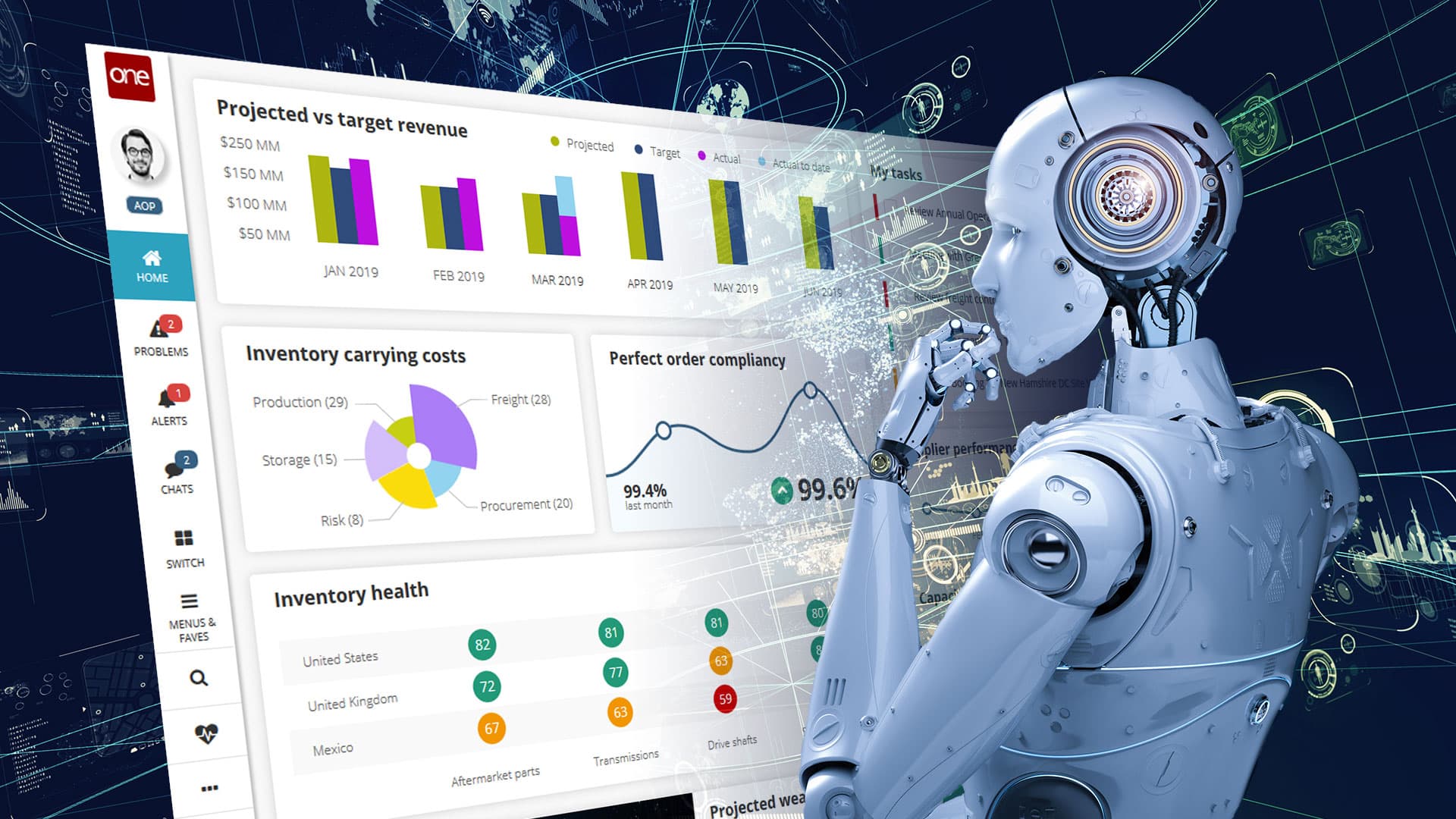
technology • 11/22/2025
Power Tech Supply Chain Growth Can the Supply Chain Keep Up With AI Growth
People didn't think artificial intelligence would move this quickly. The world now runs on advanced chips, high-performance machines, and complicated technology. This includes smart factories, self-driving cars, and powerful data centers. This quick growth puts a lot of stress on one important area: manufacturing. A lot of businesses are asking a serious question. Can the global supply chain and manufacturing keep up with the rapid expansion of AI? In this blog, you'll understand how power tech manufacturing works, why AI demand is putting a strain on supply chains, and what solutions can help organizations grow without slowing down. The idea is to explain everything in a way that is easy for any business leader to comprehend what will happen next. Understanding the AI Power Tech Supply Chain Hardware is needed for AI to work. There is a network of processors, servers, batteries, cooling systems, and other complex parts that make up any smart system. These are some of the things that make up what we call "power tech." These parts need to develop as AI use grows. AI models are getting bigger and harder to understand. Data centers are growing all over the world. Businesses require chips that work faster, processors that are stronger, and hardware that uses less energy. This has one major effect. The supply chain can't keep up with the escalating demand. A lot of factories that make these parts are running at full capacity. The production cycles are extensive, and you can't just replace the machines that create chips or high-tech parts overnight. This makes things slow down all throughout the world. Why it's hard for manufacturing to grow quickly It isn't as easy to scale up power tech manufacturing as by adding more shifts. The problems are bigger and more systemic. These are the three main reasons why scaling is hard. Few Places to Make Things There are just a few firms in the world that make the most advanced AI processors and power systems. It will take billions of dollars and years of work to build these plants. Even if demand goes up today, it can take a few years for new capacity to come online. Supply Chains That Are Hard to Understand Power tech parts need elements like rare earth metals, sophisticated semiconductors, and specific ceramics. These resources come from many different nations, so any delay in mining, shipping, or processing slows down the whole chain. Lack of skilled workers Making AI hardware demands engineers and technicians who are very well skilled. A lot of areas don't have enough skilled personnel to quickly increase production. It also takes time to train new teams. The Effects of AI Power Tech Supply Chain Demand for AI has repercussions on the whole manufacturing network. More Stress on Raw Materials There aren't many rare minerals left that can be used in advanced hardware. The need for these materials grows as more businesses use AI. This makes it harder and more competitive to find sources. Longer Lead Times Companies that used to wait weeks for hardware may now have to wait months. These lengthy lead periods make it harder for enterprises to match client expectations and slow down new ideas. Costs are going up When demand goes up faster than supply, prices go up. Companies may have to pay more for semiconductors, batteries, sensors, and other important parts. This also has an effect on the prices of the finished products. More Likely to Have Problems If one section of the supply chain is late, it might stop the whole production line. Manufacturers are more at risk from shipping delays, political difficulties, or shortages when they use AI equipment since it is so complicated. Can the Power Tech Supply Chain keep up with the growth of AI? The good news is that the industry is making substantial changes to grow faster. There are several ways to help manufacturers keep up with the growing demand for AI. Chip plants are growing all over the world. Many countries are building new semiconductor plants. Governments and big tech corporations are putting a lot of money into expanding capacity. This will make the supply chain more stable and less reliant on a few areas. Manufacturing Automation To speed up production, factories are using AI-powered robots for quality checks and advanced analytics. This helps businesses make more with the same amount of resources. Better visibility of the Power Tech Supply Chain Businesses are using real-time data to keep an eye on shipments, watch for dangers, and respond more quickly to delays. Better visibility reduces disruption and improves planning. Supply Chains in the Region Companies are shifting from global networks to regional ones. By manufacturing closer to customers they reduce transportation time cost and risk. Strategic Partnerships Tech companies are forming long term contracts with suppliers. These partnerships ensure a consistent supply of materials and parts even during shortages. How Businesses Can Get Ready If your firm relies on AI hardware or Power Tech Supply Chain , you need to be ready for problems with the supply chain that will keep happening. Here are some things you can do. Make a plan ahead of time Get your hardware sooner than normal. Plan significant projects well in advance because lead times are greater. Get a variety of suppliers Don't depend on just one source or area. Having many sources gives you additional options and keeps you from being late. Put money into upkeep Take care of the equipment you already have. Machines that are well taken care of endure longer and don't need to be replaced as often. Use an architecture that can grow Pick gear and software that will help your business flourish. Modular systems are flexible and don't need to be updated as often. Keep an eye on market trends Stay up to current on news on AI hardware, manufacturing around the world, and industry forecasts. This helps you get ready for changes ahead of time. The Future of Making Power Tech Supply Chain Artificial intelligence will only get bigger. More industries will adopt automation robotics and data driven operations. Manufacturers will have to work much harder to make more power tech as this happens. In the future, chip development will probably happen faster, manufacturing will be better for the environment, and supply chains will be more resilient. This will cut down on delays over time and make AI technology available to more enterprises throughout the world. Companies that get ready now will have a big edge. Conclusion The rapid rise of AI is creating enormous pressure on global supply chains especially in power tech manufacturing. Factories are pushing capacity raw materials are limited and demand continues to climb. But with smart strategies investment and better planning the supply chain can grow alongside AI. Businesses that understand these challenges and prepare early will be able to scale faster stay competitive and take full advantage of AI innovations. If you want help creating more SEO optimized business or Power Tech Supply Chain content just let me know. FAQs What does "Power Tech Supply Chain " mean in the AI field? Power tech is the technology and energy technologies that make AI work. This comprises semiconductors, processors, servers, cooling systems, batteries, and other high-tech parts utilized in data centers and smart technologies. Why is the power tech supply chain under stress? There is a lot of strain on the supply chain since the demand for AI is expanding faster than the ability to make it. It's hard for factories to grow quickly, and there aren't enough raw materials, which causes delays and greater expenses. How does the growth of AI affect the industrial process? As AI grows, there is a greater need for better CPUs, sensors, energy systems, and other hardware. As businesses grow their AI operations, manufacturers need to make more equipment, which puts a lot of stress on global supply chains. What makes it take longer to make AI hardware Delays happen because there aren't enough production facilities, raw materials, transportation problems, or highly skilled individuals who can construct complicated AI parts. Can the supply chain keep up with the demand for AI in the future? Yes, but it will take some time. The supply chain is getting bigger thanks to new chip facilities, automation technology, regional manufacturing, and long-term supplier partnerships. The goal is to make production faster, more reliable, and more effective. How can organizations deal with Power Tech Supply Chain risks in the power tech industry? Businesses can plan their purchases ahead of time, use a variety of vendors, use modular hardware, and keep an eye on global trends. These procedures make things run more smoothly and cut down on delays. What is the hardest thing for manufacturers to do right now? The hardest part is producing more complex hardware as quickly as AI needs it. It is hard to scale quickly since it takes a lot of money, time, and effort to build anything, and finding the right materials is hard. What part does automation play in making things? Automation makes things faster, more accurate, and more efficient. AI-based inspections and robots enable producers make more products without having to quickly build more factories.
Read More →
technology • 11/22/2025
IT Stack Support Three Hidden Weak Spots in Your IT Stack and How to Spot Them
Every modern business depends on technology. Your whole system, from online platforms to tools for communicating with each other, needs a solid and effective IT environment. But even the best systems contain flaws that people don't see until something goes wrong. These hidden weak places can make your organization run more slowly, cost more, and put it at danger in ways you didn't expect. The first step in keeping your business safe is to know what these weak spots are. With good IT stack support, you can find problems early and fix them before they hurt your performance. In this blog post, we'll talk about three big weak places that many organizations miss and show you how to find them in easy, transparent ways. You can learn about the risks and how to handle them because everything is written clearly. Getting to Know Your IT Stack The IT stack of your firm is the full set of tools and systems it uses. It has your servers, cloud systems, data storage methods, hardware, software, applications, and security tools. Your activities function smoothly when everything is working right. But if one portion of the system gets weak, the whole thing may feel it. This is why IT stack support is so important. It helps keep your whole system safe and healthy. One hidden weakness is old software and tools. A lot of businesses still use software that was installed years ago. These tools get slower, don't work with other equipment, and grow dangerous over time. One of the most common weak points is old software, which is also one of the most disregarded. The Problems with Old Software Your machine is no longer protected from viruses, bugs, and technology failures by crucial updates that come with old software. Because of this, it is an easy target for cyber threats and slows down all of your operations. Tools that are no longer useful can also cause problems with compatibility. Your process slows down and becomes less efficient when new systems can't connect to or sync with old software. How to Find This Weak Point Checks on the system on a regular basisCheck the last time each tool you use was updated and go over them all. Performance is slow It might be time to upgrade if your apps are taking longer to load. A lot of mistakes Unexpected crashes or glitches are generally signs of old systems. Integration that isn't strong Your tools are too old if they can't connect to new platforms. IT stack support can assist you check your whole system and find all the tools that are out of date so you know what to get rid of. Three Bad System Integration Points That Are Hidden in IT stack support Companies use different software for different tasks. While this approach may be effective, it often leads to a hidden vulnerability known as poor integration. When your systems don't link right, they cause delays, blunders, and lost data. Why bad integration is bad Systems that aren't connected make more work. Employees have to switch between tools, move data by hand, or do the same operations again and over. This is a waste of time and makes people less productive. Errors are more likely to happen when things aren't integrated well. It's easy to make mistakes when you move information by hand. How to Find This Weak Point Data doesn't move smoothly. You have an integration problem if you have to enter information more than once. The tools work on their own. Your system is broken up if your apps can't talk to each other. Frustration among employees If employees are unhappy with delayed processes, integration may be to blame. Delays in the workflow happen a lot. Doing things by hand slows down progress and makes bottlenecks worse. IT stack assistance helps you put your tools together into a system that functions well with everything else. How IT Stack Support Makes Your Whole System Stronger Using IT stack support is one of the finest ways to find and fix weak places in your business that you might not know about. This is how it helps. Regular audits of the system Before problems happen, experts look over your whole system and detect weak spots. Strong security plans You obtain fresh protection against new threats. Updates and improvements to software Your tools stay up to date and work quickly. Better integration Your apps and platforms work together perfectly, so your business runs smoothly. Monitoring Performance We find problems early so we can fix them swiftly. Less time spent down A healthy IT stack implies fewer problems and smoother operations. With the correct help, your whole system gets stronger, faster, and more reliable. How to Make Your IT Stack Stronger These are easy actions you may take to make your IT environment better. Look over your tools Make a list of all the software and systems you use, along with the date they were last updated. Make things safer Train your workers and give them powerful protective gear. Update Old Systems Get new tools if the ones you have are slow or no longer supported. Get help from IT Stack Get help from an expert to find problems you might not see. Make the integration work Link your tools together to make your job go faster and more smoothly. Conclusions Your IT stack is what makes your business work. Your operations go smoothly when it is robust. When it contains concealed weak areas, everything moves more slowly, is more dangerous, and is more stressful. Three of the main problems that firms face today are old tools, weak security, and bad system integration. You can find these problems early and make your technology system stronger, smarter, and safer with the correct IT stack support. Putting money into your IT infrastructure is like putting money into the future strength of your organization. Frequently Asked Questions Why is it vital to have IT stack support? It finds weak spots, maintains your system safe, and makes sure all your tools are up to date and safe. How often should I check my IT stack? At least once every several months to check sure everything is running well. What is the main problem with most IT systems? One of the most prevalent and hazardous weak points is old software. Can IT stack support help people get more done? Yes, it speeds up the whole workflow by addressing slow tools and making the system work better together. Does IT stack support include cybersecurity? Yes, it is one of the most vital ways to be safe.
Read More →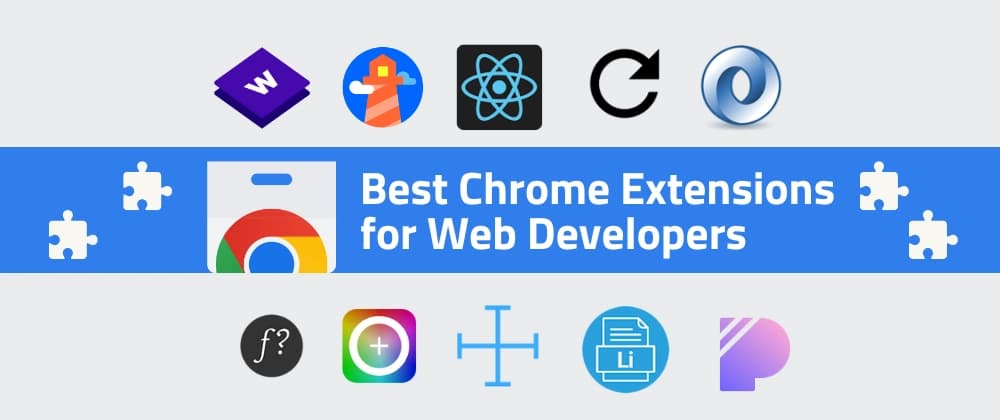
technology • 11/5/2025
Best Chrome Extensions for Web Developers
In today’s fast-paced world of coding, web developers need tools that simplify tasks, improve productivity, and speed up workflows. Thankfully, Google Chrome offers a massive collection of extensions that make life easier for both beginners and experienced developers. From debugging code to testing responsiveness and optimizing designs, Chrome extensions can help you work smarter, not harder. If you are looking for the best Chrome extensions for web developers, this guide will walk you through the top picks, what they do, and how they can make your daily work smoother. Why Chrome Extensions Matter for Web Developers Chrome is not just a browser anymore. For developers, it’s a powerful workspace. Extensions turn Chrome into a mini development studio, helping you test designs, inspect code, manage color schemes, check performance, and even detect technologies used on a site. Instead of switching between multiple applications or tools, these extensions let you perform most tasks right inside your browser window. That saves time, increases focus, and boosts your overall productivity. Top Chrome Extensions Every Web Developer Should Try Here are some of the most useful and reliable Chrome extensions that developers across the world use daily. Wappalyzer Wappalyzer is one of the most popular Chrome extensions among developers. It lets you see what technologies a website is built with. For example, if you visit a site and wonder if it’s made with WordPress, React, or Shopify, Wappalyzer tells you instantly. It shows detailed information about content management systems, frameworks, analytics tools, JavaScript libraries, and more. It’s especially helpful for competitive research, tech audits, or learning how certain websites are structured. Learn more about website technology detection tools on Investopedia. ColorZilla ColorZilla is a lifesaver for front-end developers and designers. It allows you to pick any color on a webpage and view its code in HEX, RGB, or HSL format. You can also create gradients, save your color history, and quickly copy color codes into your CSS files. When you find a perfect color tone on a website and want to replicate it in your project, ColorZilla does the job in seconds. It’s an essential tool for anyone dealing with design consistency, brand colors, or UI adjustments. JSON Viewer If you deal with APIs or data fetching, JSON Viewer is a must-have. It formats raw JSON data into a readable and structured layout. Instead of staring at messy code, you get collapsible sections, color-coded syntax, and an overall clean presentation. This makes debugging and analyzing API responses much easier. JSON Viewer saves time, reduces errors, and keeps your workflow organized. Window Resizer Responsive design testing is a daily task for most web developers. Window Resizer helps you view your site on multiple screen sizes without needing multiple devices. You can switch between predefined screen resolutions for laptops, tablets, and mobile phones or create custom ones. This helps you ensure that your website looks perfect across all devices. It’s one of the simplest yet most effective tools for front-end developers focused on user experience. Web Developer This extension is a complete toolkit in itself. It adds a small toolbar to your browser filled with useful development tools. You can disable JavaScript, view CSS details, outline elements, validate forms, resize browser windows, and more. It’s ideal for testing how your website behaves when certain components are turned off or when debugging layout issues. Web Developer is often considered one of the best Chrome extensions for web developers because it combines multiple tools into one convenient package. VisBug VisBug is perfect for developers and designers who like to experiment visually. It allows you to edit webpages in real-time, move elements, change fonts, resize boxes, and adjust spacing—all directly on the page. It’s not just for testing. You can use it to create visual prototypes, share mockups with clients, or test UI tweaks before writing a single line of code. It’s intuitive, fun to use, and speeds up front-end design work. Lighthouse Lighthouse is an official Google extension that audits your website for performance, accessibility, best practices, and SEO. With just one click, you can analyze a webpage and get detailed insights into what needs improvement. Whether you’re optimizing page speed or fixing mobile usability, Lighthouse gives you actionable data. It’s one of the best Chrome extensions for web developers who want to improve site quality and ranking. React Developer Tools If you work with React, this is your best friend. React Developer Tools lets you inspect React components in real-time, view their props and state, and track performance. It’s an essential debugging tool for anyone working on modern web applications built with React.js. With this extension, you can understand how your app behaves, identify rendering issues, and optimize performance efficiently. Web Vitals Page experience is now a major SEO factor, and Web Vitals helps you measure it accurately. This extension monitors your site’s key performance metrics such as Largest Contentful Paint (LCP), First Input Delay (FID), and Cumulative Layout Shift (CLS). With quick insights right in your browser, you can ensure your website meets Google’s performance standards. It’s ideal for developers and SEO experts who care about speed and user experience. WhatFont Fonts play a huge role in web design. WhatFont helps you identify any font used on a website just by hovering over it. It displays the font name, size, weight, and line height in seconds. It’s incredibly helpful for developers who want to match a specific style or understand a website’s typography without checking CSS files. How to Choose the Right Extensions With so many options available, picking the right Chrome extensions depends on your workflow. Here’s how you can choose wisely: Identify Your Needs Ask yourself what slows you down the most. Do you spend time debugging, inspecting code, or testing designs? Pick extensions that solve those specific pain points. Check Permissions Some extensions may request too many permissions. Always review what access they need before installing them. Choose only verified and trusted developers to protect your data. Keep Your Browser Clean Too many extensions can slow down Chrome. Keep only the ones you regularly use. Disable or remove unused ones to maintain speed and performance. Update Regularly Developers frequently release updates to fix bugs and enhance performance. Make sure your extensions stay up to date for optimal reliability and security. How Chrome Extensions Improve Development Workflow Extensions can completely transform how you build websites. Speed: Tools like JSON Viewer and Window Resizer save time during testing and debugging. Productivity: Wappalyzer and Web Developer keep you organized with fewer steps. Design Precision: ColorZilla, VisBug, and WhatFont make design adjustments simple and accurate. Optimization: Lighthouse and Web Vitals help you ensure top performance and SEO compliance. When you combine these tools effectively, you create a seamless development environment right inside your browser. Conclusion Choosing the best Chrome extensions for web developers can make your workflow smoother, your debugging faster, and your projects more efficient. The key is not to overload your browser but to select a few essential tools that genuinely fit your workflow. Whether you’re working on front-end design, back-end integration, or full-stack development, Chrome extensions give you the flexibility to test, improve, and deliver better websites faster. Start by installing two or three of these extensions, see how they enhance your daily tasks, and gradually build your personalized toolkit. FAQs Q1: Are Chrome extensions safe for developers?Most Chrome extensions are safe, but always install from trusted sources and check permissions carefully before use. Q2: Can I use these Chrome Extensionsin other browsers?Yes, browsers like Edge, Opera, and Brave support Chrome extensions since they use the same Chromium engine. Q3: Do too many Chrome Extensions slow down Chrome?Yes, having too many active extensions can affect browser speed. Only keep the ones you use regularly. Q4: Are all Chrome extensions free?Most are free, but some offer premium versions with extra features. The free options are often enough for most developers. Q5: Which Chrome Extensions is best for debugging?For general debugging, Web Developer and React Developer Tools are excellent choices.
Read More →
technology • 11/5/2025
Importance of Cybersecurity in 2025: Stay Protected
In today’s digital world, everything from personal data to business operations is stored online. While this has made life more convenient, it has also opened the door to cyber threats. Understanding the importance of cybersecurity has never been more crucial. Every day, millions of cyberattacks occur worldwide, targeting individuals, small businesses, and large corporations. Without proper protection, sensitive information can easily fall into the wrong hands. This guide explores the importance of cybersecurity, how it affects individuals and organizations, and what you can do to stay protected in a rapidly changing digital landscape. What is Cybersecurity Cybersecurity refers to the practice of protecting systems, networks, and data from digital attacks. These attacks aim to steal, alter, or destroy sensitive information and disrupt normal business operations. Effective cybersecurity involves multiple layers of protection across computers, networks, and software. In simple terms, cybersecurity acts as a shield that keeps your personal and business information safe from hackers and cybercriminals. Why Cybersecurity is Important The importance of cybersecurity lies in its ability to safeguard personal privacy, financial data, and business integrity. As more people work remotely and depend on digital systems, the risk of cyber threats has increased dramatically. A single cyberattack can lead to financial losses, damaged reputation, and even legal consequences. In some cases, companies never fully recover after a major breach. Understanding the importance of cybersecurity helps individuals and businesses take proactive steps to defend against such risks. Types of Cybersecurity Threats 1. Malware Malware refers to malicious software designed to harm or exploit devices. Common types include viruses, trojans, and ransomware. Once installed, malware can steal data or lock users out of their systems. 2. Phishing Phishing attacks trick users into revealing sensitive information like passwords or credit card numbers by pretending to be legitimate organizations. 3. Ransomware This type of attack encrypts files and demands payment to restore access. Many businesses have lost significant revenue due to ransomware attacks. 4. Data Breaches Data breaches occur when hackers gain unauthorized access to confidential information such as customer records or financial data. 5. Insider Threats Sometimes, the threat comes from within an organization. Employees or contractors may intentionally or unintentionally expose systems to risk. The Impact of Cybersecurity Breaches Cybersecurity breaches can have devastating effects on individuals and organizations alike. The importance of cybersecurity becomes clear when we look at the potential consequences. Financial Losses: Businesses can lose millions of dollars due to theft, downtime, or ransom payments. Reputation Damage: Customers lose trust in companies that fail to protect their data. Legal Penalties: Non compliance with data protection laws can result in fines and lawsuits. Operational Disruption: Critical systems may be shut down, halting operations. Personal Stress: Victims of identity theft often face emotional distress and financial hardship. According to a recent report by Cybersecurity Ventures, global cybercrime costs are expected to reach over $10 trillion annually by 2025. This figure alone highlights the growing importance of cybersecurity for all sectors. The Importance of Cybersecurity in Business For businesses, cybersecurity is no longer optional it’s a necessity. With most companies storing customer data, financial information, and trade secrets online, even a single breach can destroy years of hard work. Small businesses are particularly vulnerable since many lack dedicated IT security teams. Studies show that over 40% of cyberattacks target small and medium enterprises because of weaker defenses. The importance of cybersecurity for business extends beyond protection it builds customer confidence, ensures compliance, and safeguards business continuity. The Role of Employees in Cybersecurity While technology is essential, people play an equally important role in maintaining security. Employees must be educated about safe online behavior and the importance of cybersecurity practices. Common security tips for employees include: Using strong, unique passwords. Avoiding suspicious email links. Updating software regularly. Reporting any unusual activity immediately. Companies that invest in cybersecurity training significantly reduce their risk of data breaches. How to Strengthen Cybersecurity Improving cybersecurity doesn’t always require massive investments. Here are some practical steps anyone can take to enhance their digital protection. 1. Use Strong Passwords Create passwords that include numbers, symbols, and both uppercase and lowercase letters. Avoid using personal information like birthdays. 2. Enable Two Factor Authentication Adding an extra layer of verification makes it harder for hackers to access your accounts even if they steal your password. 3. Keep Software Updated Cybercriminals often exploit outdated software. Always install updates and security patches as soon as they become available. 4. Secure Your WiFi Network Change default router passwords and enable strong encryption settings to protect your home or office network. 5. Backup Your Data Regularly backup your files to a secure cloud service or external drive. In case of a ransomware attack, backups can save you from losing important data. 6. Install Antivirus and Firewall Protection Reliable antivirus software can detect and remove threats, while a firewall prevents unauthorized access to your network. Cybersecurity in Everyday Life The importance of cybersecurity isn’t limited to businesses—it affects everyone. From online shopping to social media, people share vast amounts of personal information online. Without proper precautions, that information can be misused. Cybercriminals often target individuals through fake websites, online scams, and malicious links. Practicing good cybersecurity habits ensures your privacy and financial safety. Examples of good digital hygiene include using secure payment gateways, monitoring bank statements, and avoiding public WiFi for sensitive transactions. The Future of Cybersecurity As technology advances, cyber threats are also evolving. Artificial intelligence, 5G, and the Internet of Things are creating new challenges for data protection. The future of cybersecurity will rely heavily on automation and AIdriven solutions that detect and prevent attacks in real time. Governments and organizations will continue to collaborate on global standards to enhance online security. Understanding the importance of cybersecurity now helps prepare individuals and businesses for these future challenges. Real Life Example of Cybersecurity Importance In 2021, a major pipeline company in the United States faced a ransomware attack that disrupted fuel supplies across several states. The company was forced to pay millions of dollars to regain control of its systems. This incident demonstrated how cyberattacks can have real world consequences, affecting entire economies and communities. Such examples highlight the ongoing importance of cybersecurity for national and global stability. FAQs About Cybersecurity What is the main purpose of cybersecurity The main purpose of cybersecurity is to protect computer systems, networks, and data from unauthorized access, theft, and damage. Why is cybersecurity important for businesses It helps prevent data breaches, financial losses, and legal issues while ensuring customer trust and operational continuity. How can individuals improve their cybersecurity Use strong passwords, enable two factor authentication, avoid suspicious emails, and keep software updated regularly. What are the biggest cybersecurity threats today Ransomware, phishing, and data breaches are among the most common and damaging cyber threats faced by individuals and organizations. How does cybersecurity affect the economy Cyberattacks can disrupt business operations, reduce consumer confidence, and cause significant economic losses across industries.
Read More →
technology • 11/3/2025
Latest Technology Trends 2025
IntroductionTechnology continues to evolve at a rapid pace, shaping how people live, work, and interact with the world. The latest technology trends 2025 highlight how artificial intelligence, robotics, automation, and immersive experiences are transforming every major industry. From smarter homes to self-learning systems, innovation in 2025 is focused on making life faster, more efficient, and more connected. Artificial Intelligence Leading the Way Artificial intelligence sits at the heart of the latest technology trends 2025. It is driving massive progress in automation, data analytics, and personalized services. AI in Daily Life AI now powers personal assistants, smart homes, and health tracking devices. These tools learn from your behavior and adapt to your needs. Voice commands, predictive text, and AI-driven apps have made life easier and more efficient. AI in Business In business, the latest technology trends 2025 show that AI helps companies analyze massive datasets, identify patterns, and make smarter decisions. It improves productivity by automating routine tasks and boosting creativity through generative AI tools. Key AI Innovations in 2025 AI-driven cybersecurity to prevent real-time digital threats Predictive analytics for business forecasting Natural language models for customer engagement Generative AI tools for content creation Quantum Computing Becoming a Reality Another major part of the latest technology trends 2025 is quantum computing. This advanced form of computing allows data to be processed at unimaginable speeds, opening new possibilities in science and research. How Quantum Computing Impacts Industries Quantum computing enhances problem-solving in sectors like medicine, banking, and logistics. It helps researchers model complex molecules faster, enabling quicker drug discovery. Financial institutions use quantum algorithms to manage risks and detect fraud more efficiently. The Promise of Quantum Technology Quantum systems will soon make machine learning faster and more accurate. As costs decrease, quantum computing could become a mainstream technology within the next decade. Expansion of the Internet of Things (IoT) The Internet of Things is one of the strongest areas of the latest technology trends 2025. Billions of connected devices are collecting and sharing data, allowing greater automation and insight into our environments. Smart Homes and Cities From connected thermostats to smart traffic systems, IoT is building intelligent infrastructure that adapts to human behavior. Cities are using sensors for energy optimization, while households rely on connected devices for safety and comfort. Industrial IoT Growth In manufacturing, IoT enables predictive maintenance, reducing downtime and saving costs. Farmers use IoT to monitor soil quality, while logistics companies use it to track shipments in real time. Rise of Extended Reality (XR) Extended reality, which includes virtual reality (VR), augmented reality (AR), and mixed reality (MR), has become an essential part of the latest technology trends 2025. Virtual Reality for Immersive Experiences VR is revolutionizing gaming, entertainment, and education. Users can explore virtual worlds or simulate real-life training scenarios, improving learning and engagement. Augmented Reality in Retail and Design AR is being used to help consumers visualize products before purchase. Interior designers and architects rely on AR to plan spaces efficiently. Extended Reality in Business Companies are using XR for employee training, remote collaboration, and product demonstrations, making work more interactive and productive. Sustainable and Green Technology Environmental sustainability is now a driving force behind the latest technology trends 2025. Companies are developing new technologies to reduce waste, conserve energy, and promote green innovation. Renewable Energy Tech Solar and wind energy systems are becoming more efficient thanks to AI and IoT integration. Smart grids optimize energy distribution and cut carbon emissions. Eco-Friendly Manufacturing 3D printing and sustainable materials are reducing industrial waste. Electric and hydrogen vehicles are becoming more affordable and widely available. Blockchain Beyond Cryptocurrency Blockchain continues to expand beyond crypto and plays a major role in the latest technology trends 2025. It is being used for digital identity verification, supply chain tracking, and data security. Blockchain for Data Protection Businesses use blockchain to secure sensitive information and create transparent records. This builds trust in sectors like healthcare, real estate, and finance. Decentralized Applications Decentralized apps (DApps) allow peer-to-peer transactions without intermediaries, making processes faster and more secure. Automation and Robotics Automation is not new, but the latest technology trends 2025 show how robots are becoming more intelligent and human-like. Robotics in Industry Factories now use autonomous robots to assemble products, manage inventory, and improve safety. These systems work alongside humans, increasing efficiency. Service Robots In hospitality and healthcare, service robots assist with deliveries, cleaning, and patient care. As AI improves, these robots become more capable and adaptive. Cybersecurity Evolution As digital systems grow, cybersecurity remains one of the key components of the latest technology trends 2025. With AI integration, security systems now detect and respond to threats faster than ever. Zero-Trust Security Models Companies are adopting zero-trust frameworks that verify every device and user, minimizing vulnerabilities. AI-Driven Threat Detection Machine learning tools analyze behavior patterns to identify potential attacks before they happen. Personal Data Protection Users are becoming more aware of privacy settings, encryption, and password management to stay safe online. 5G and Beyond 5G technology is still expanding globally, and it continues to shape the latest technology trends 2025. The faster speed and lower latency of 5G improve everything from streaming to remote surgeries. Business Benefits Companies rely on 5G networks for smooth operations, cloud computing, and real-time analytics. What Comes After 5G Researchers are already exploring 6G networks, expected to be even faster, more stable, and energy-efficient. Future Outlook The latest technology trends 2025 represent a major turning point for digital progress. AI, automation, sustainability, and connectivity are working together to create a smarter, greener, and more efficient world. Businesses and individuals that embrace these technologies early will stay ahead of the curve. FAQs What are the biggest technology trends in 2025? The biggest technology trends in 2025 include AI, quantum computing, IoT, extended reality, green tech, and blockchain applications. How is AI changing everyday life? AI simplifies tasks through automation, voice recognition, and predictive tools, improving productivity and decision-making. Why is sustainability important in tech? Sustainability reduces environmental impact and supports long-term growth using renewable energy and eco-friendly materials. What industries benefit most from the latest technology trends 2025? Industries such as healthcare, manufacturing, finance, and education benefit most due to automation, data analysis, and smart connectivity. Will these trends continue beyond 2025? Yes, these technologies are the foundation for future innovation, with continuous evolution in AI, IoT, and digital infrastructure.
Read More →
technology • 11/3/2025
Best Budget Gaming PC Build for 2025
Introduction Building your own gaming PC doesn’t have to drain your wallet. In fact, with the right parts and a bit of research, you can put together a powerful setup that runs the latest games smoothly without overspending. Whether you’re a beginner gamer, a student, or someone upgrading from a console, finding the best budget gaming PC build can give you excellent performance at a fraction of the cost of prebuilt systems. This guide breaks down everything you need to know from picking the right components to balancing performance and cost so you can enjoy smooth gaming without financial stress. Why Build Instead of Buy best budget gaming PC build are convenient but often come with a price markup. When you build your own, you get complete control over what goes inside your system. You can choose higher-quality components where it matters most and save on unnecessary extras. Plus, building a PC is a rewarding experience. You’ll understand how your machine works, making it easier to upgrade later. And with hardware prices stabilizing in 2025, there’s never been a better time to create the best budget gaming PC build for your needs. Key Components You’ll Need Let’s go over the main components that make up a best budget gaming PC build and what to look for when buying on a budget. Processor (CPU) The CPU is your system’s brain. For budget builds, AMD and Intel both offer excellent value options. AMD Ryzen 5 5600 :Great multi-core performance for gaming and multitasking. Intel Core i5-12400F : Efficient and powerful for its price, ideal for 1080p gaming. Both deliver outstanding frame rates in modern titles when paired with the right GPU. Graphics Card (GPU) The GPU determines how smoothly your games run. While prices fluctuate, these are top picks for a best budget gaming PC build: NVIDIA GeForce RTX 3060 : Great for 1080p and light 1440p gaming. AMD Radeon RX 6600 XT : Excellent value with strong energy efficiency. If you’re tight on budget, older models like the GTX 1660 Super still perform well in most games. Motherboard Your motherboard connects everything together. Choose one that fits your CPU type and has enough ports for your future upgrades. B550 chipset (for AMD) or B660 chipset (for Intel) are solid mid-range choices.Look for options with M.2 slots for fast SSDs and enough USB ports for peripherals. Memory (RAM) Games today require at least 16GB of RAM for smooth performance. Go for 3200MHz or faster for better responsiveness. Storage Use a fast SSD as your primary drive. A 500GB NVMe SSD will make your system boot quickly and load games faster. You can always add a secondary HDD later for extra space. Power Supply Unit (PSU) Never cheap out on your power supply. Choose a reputable brand with an 80+ Bronze rating or better. A 550W to 650W PSU is perfect for a budget gaming setup. Case and Cooling A simple mid-tower case with good airflow is all you need. Look for pre-installed fans and space for future upgrades. Example Build for 2025 Here’s an example of the best budget gaming PC build for around $800–$900: CPU: AMD Ryzen 5 5600 GPU: AMD Radeon RX 6600 XT Motherboard: MSI B550M Pro-VDH RAM: 16GB DDR4 3200MHz Storage: 1TB NVMe SSD PSU: Corsair CV550 (550W, 80+ Bronze) Case: NZXT H510 Cooling: Stock cooler (included with CPU) This setup delivers excellent performance in popular games like Apex Legends, Call of Duty: Warzone, and Fortnite all running smoothly at 1080p on high settings. How to Balance Performance and Cost When building on a budget, it’s important to know where to spend and where to save. Spend more on: GPU : It has the most impact on gaming performance. PSU : A good power supply protects your components. Save on: Case : A simple design is fine as long as airflow is good. RGB lighting : Nice to have, but not essential. The goal is to create the best budget gaming PC build that performs great now and allows easy upgrades later. Upgrading Over Time A good PC build grows with you. Start with essential components, then upgrade over time: Add more RAM if you multitask often. Upgrade to a better GPU when prices drop. Add a larger SSD for more games. Because you built the system yourself, upgrades are easy and cost-effective. Gaming Performance Expectations With this setup, you can expect: 1080p Gaming: Smooth performance in almost all modern titles on high or ultra settings. 1440p Gaming: Excellent performance in less demanding games. Streaming: Capable of handling light streaming and recording with no major lag. Even AAA games like Cyberpunk 2077 or Red Dead Redemption 2 are playable at medium to high settings. Common Mistakes to Avoid Ignoring the PSU quality: Cheap power supplies can cause crashes or damage components. Buying incompatible parts: Always check motherboard and CPU socket compatibility. Skipping cooling: Even budget builds need decent airflow. Not planning upgrades: Choose components that allow flexibility for the future. Where to Find the Best Deals To save money, check hardware comparison websites, discountbest budget gaming PC build part stores, or trusted marketplaces.Websites like Tom’s Hardware regularly post deals, reviews, and benchmarks to help you choose parts wisely. You can also explore refurbished or open-box deals from reputable sellersthese often provide great value without compromising performance. The Joy of Building Your Own PC There’s something uniquely satisfying about powering on a machine you built with your own hands. You’ll not only save money but also gain the freedom to customize, upgrade, and understand your hardware. A well-built best budget gaming PC build can last for years, serving as your gaming hub, workstation, and entertainment system all in one. Conclusion Building the best budget gaming PC build isn’t just about saving money it’s about creating a personalized system that fits your style and performance goals. By focusing on smart choices, balancing cost with quality, and planning for upgrades, you can enjoy top-tier gaming without breaking your budget. Start small, learn the process, and enjoy the satisfaction of powering up your very own custom-best budget gaming PC build. FAQs What is a good budget for a gaming PC in 2025?A solid best budget gaming PC build can be built for around $800 to $1,000, depending on the parts you choose. Can I build a gaming PC for under $700?Yes, but you may need to make compromises on the GPU or storage. Entry-level builds can still perform well at 1080p. Do I need a graphics card for gaming?Yes, for most modern games, a dedicated GPU is essential for smooth performance. Is it cheaper to build or buy a gaming PC?Building your own is usually cheaper and lets you choose exactly what you want. Can I upgrade my budget gaming PC later?Absolutely. You can easily upgrade the GPU, RAM, or storage as your needs and budget grow.
Read More →